





Abidjan-Lagos Corridor Highway Project: Steering Committee Adopts Key Infrastructure Plans
 Abraham AdaranijoSeptember 23, 20242 Mins read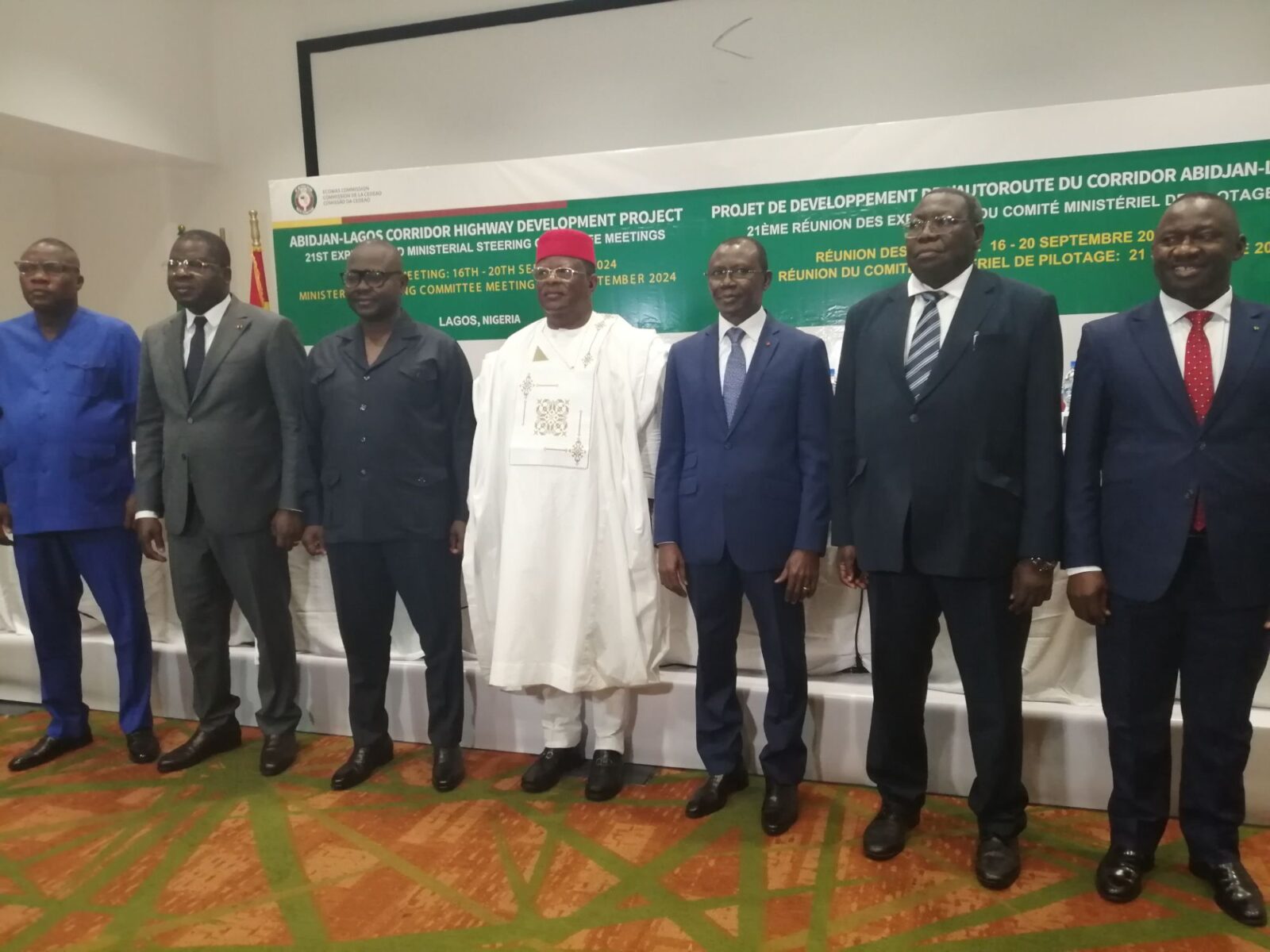
To boost regional integration and trade across West Africa, the 21st Steering Committee of the Abidjan-Lagos Corridor Highway Development Project has officially adopted a comprehensive communiqué presented by road infrastructure experts. These experts are charged with finalizing the design and cost framework for the 1,068-kilometer highway. Set to connect Lagos to Abidjan with the aim of enhancing trade and collaboration. The highway project will enhance the economy of the Economic Community of West African States (ECOWAS) member countries.
The Steering Committee Chairman, Nigeria’s Minister of Works, Senator Engr. Nweze David Umahi, CON, briefed the press ahead of a closed-door meeting. He stated that the Ministers of Works from the involved ECOWAS nations would be evaluating the recommendations from infrastructure experts. Also to conclude on key elements such as design and procurement for the ambitious road project.
Abidjan-Lagos Corridor Highway Report
During the session, the Committee of Experts, chaired by Engr. Ebere Izunobi, presented their report. The report outlined the progress of the feasibility and design studies. The Steering Committee embraced the recommendations. They however highlight areas requiring revision, including cost per kilometer, pavement choices, and financing options. The final approval is contingent on the submission of revised reports, expected by December 2024. This report will address feedback from the member states and ECOWAS.
The urgency to finalize a tunnel study by June 2025 was underscored. Furthermore, the committee praised the ECOWAS Commission for internally financing the tunnel’s feasibility and preliminary design.
Abidjan-Lagos Corridor Highway Finance
A critical element discussed was the possibility of using Public-Private Partnerships (PPP) to finance sections of the highway. Phase 4 of the project will outline specific financing strategies, ranging from public funding to private investment and PPPs. ECOWAS plans to convene a virtual meeting with technical and financial partners. This meeting will include development financing institutions, to explore available financing options.
This financial meeting will also guide member states in advising their respective Heads of State on the best financing strategies. Nevertheless, their portions of the project should ensure a coordinated effort across the region.
Operationalizing ALCoMA
Progress on the establishment of the Abidjan-Lagos Corridor Management Authority (ALCoMA) was also reviewed. Member states have until October 4, 2024, to submit comments on the draft Headquarters Agreement, which will then be sent to the Government of Côte d’Ivoire for finalization. Additionally, the Steering Committee agreed to amend the Intergovernmental Agreement (IGA) to clarify criteria regarding public sector nominees, with plans to revalidate and resubmit nominees for the ALCoMA Board.
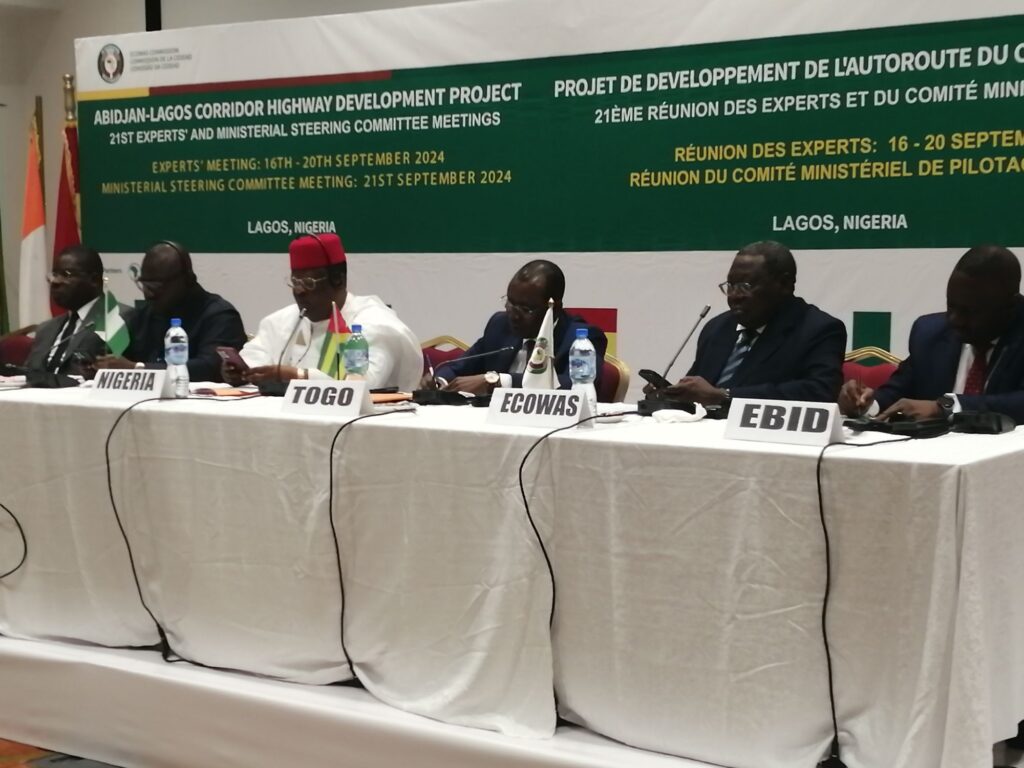
The operationalization of ALCoMA is a crucial step toward managing and sustaining the corridor highway’s infrastructure once constructed. ALCoMA is intended to serve the purpose of boosting trade and connectivity.
Next Steps and Future Meetings
With financial commitments already secured from key partners like the African Development Bank (AfDB), ECOWAS and corridor countries will continue preliminary financing discussions. The next Steering Committee meeting is scheduled for December 2024 in Togo, with specific dates to be confirmed.
Vision for the Future
The Ministers extended their profound gratitude to Nigeria’s President, His Excellency Bola Ahmed Tinubu, for hosting the meeting and his dedication to fostering regional integration as Chairman of ECOWAS. Special thanks were also given to the ECOWAS Commission for funding critical studies that have kept the project on track.
In his closing remarks, Senator Engr. Umahi expressed optimism that the agreements reached during the meeting would lead to the development of a vital corridor highway that will act as a backbone for regional economic growth, strengthening ties between West African nations and improving the lives of millions.
As the project advances, the vision of a fully interconnected West Africa, where goods and people can move seamlessly from Lagos to Abidjan, draws closer to reality. This highway is set to not only transform the region’s infrastructure but also open new avenues for economic empowerment and sustainable development across ECOWAS member states.
Author






Related Articles

Benin-Asaba Concession: Olatunji Cautions FG on Deal | ClipTV Online
The Benin-Asaba Expressway Concession (BAECC) that dates back to 2023 has recently...

Benin-Asaba Road: BAECC Seeks Patience, Promised Accelerated Construction | ClipTV Online
The Benin-Asaba Expressway Concession Company Limited (BAECC) has appealed for patience from...

NCOP Demands Urgent Action on Gauteng Infrastructure Failures | ClipTV Online
The National Council of Provinces (NCOP) Gauteng Provincial Delegation has called for...
Abidjan-Lagos Corridor: ECOWAS, FMoW Address Project Impact, Compensation Plans | ClipTV Online
Infrastructure is key, but also how it’s used, and that’s political –...
Leave a comment