





Breaking: Cubana Granted ₦10 Million Bail | ClipTV Online
 Abraham AdaranijoApril 17, 20241 Mins read
Businessman and socialite Pascal Okechukwu, popularly known as Cubana Chief Priest, has been granted bail totaling ₦10 million with two sureties in like sum. This follows his plea of not guilty to charges of tampering and abusing the Nigerian currency. This was in a charge marked FHC/L/ 246/2024.
Cubana Chief Priest appeared before Justice Kehinde Ogundare to face three counts of spraying and tampering with Naira notes during a social event, allegedly contravening the provisions of the Central Bank Act of 2007. The charges stemmed from an incident on February 13, 2024, at Eko Hotel, where he was accused of spraying Naira notes during a celebratory event.
The Economic and Financial Crimes Commission (EFCC) alleged that Cubana Chief Priest had also committed similar offenses during other social gatherings, including one in Lagos in 2020. The charges brought against him include tampering with funds in the denomination of N500 notes issued by the Central Bank of Nigeria.
Following his plea, the court granted bail to Cubana Chief Priest under stringent conditions, including the submission of his travel passport and the provision of two responsible sureties who must be gainfully employed at a federal or state government level, not below grade level 16, and possess landed property verified by the court.
Despite the bail, Cubana Chief Priest faces pending legal challenges, as he intends to challenge the jurisdiction of the court to hear the charges against him. Justice Ogundare has scheduled a hearing for May 2nd to address this issue.
This development comes in the wake of the EFCC’s recent conviction of popular cross-dresser Idris Okuneye, also known as Bobrisky, on similar charges. The EFCC has announced its ongoing investigation into several celebrities for alleged abuse of Naira notes, underscoring its commitment to upholding financial regulations and prosecuting offenders.
As the legal proceedings unfold, the public remains vigilant, aware of the EFCC’s unwavering dedication to enforcing laws against financial crimes and protecting the integrity of Nigeria’s currency.
Author





Related Articles
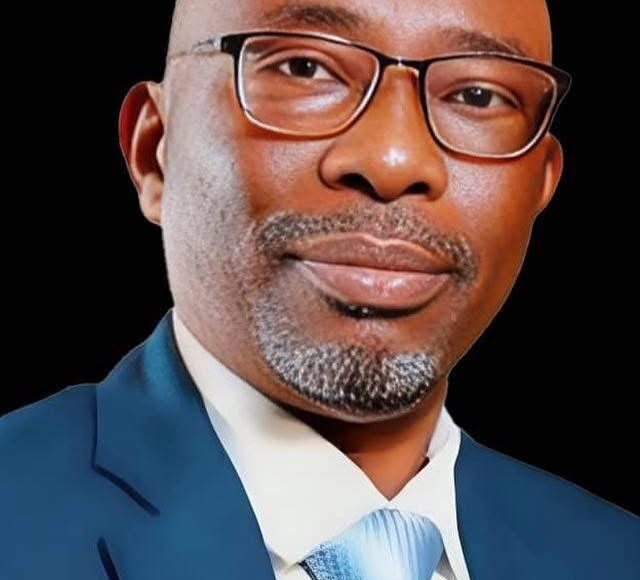
Magistrates Law: Understanding The Proposed Law
My attention has been drawn to the controversy surrounding the proposed amendment...

Photo News: NCC Hosts 2026 Legal Workshop | ClipTV Online
Photo Caption L -R: Hon Justice Habeeb A.O Abiru, Justice of the...
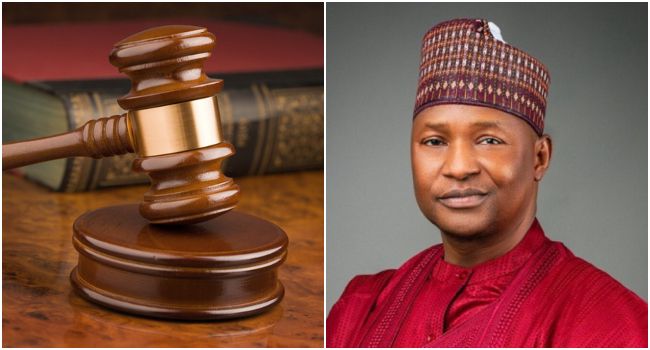
AGF Takes Over Prosecution as Malami Faces Charges | ClipTV Online
The Attorney General of the Federation and Minister of Justice, Lateef Fagbemi...
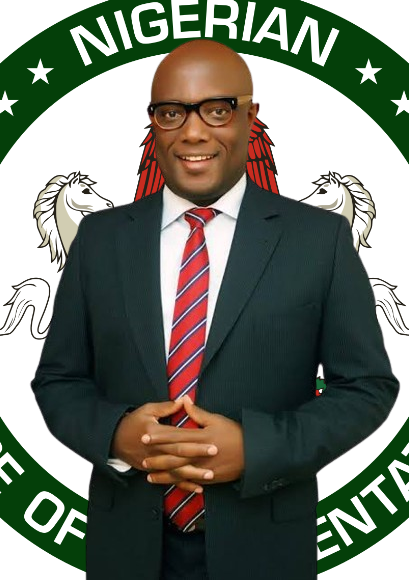
Business Exploitation: Nigerian Businesses to Be Protected – MHR Jimi Benson | ClipTV Online
In an effort to mitigate the effect of the global recession in...
Leave a comment