


Ebola Outbreak: MSF Warns, Says Response is Falling Behind, Death Toll Surges | ClipTV Online
 Abraham AdaranijoAugust 21, 20263 Mins read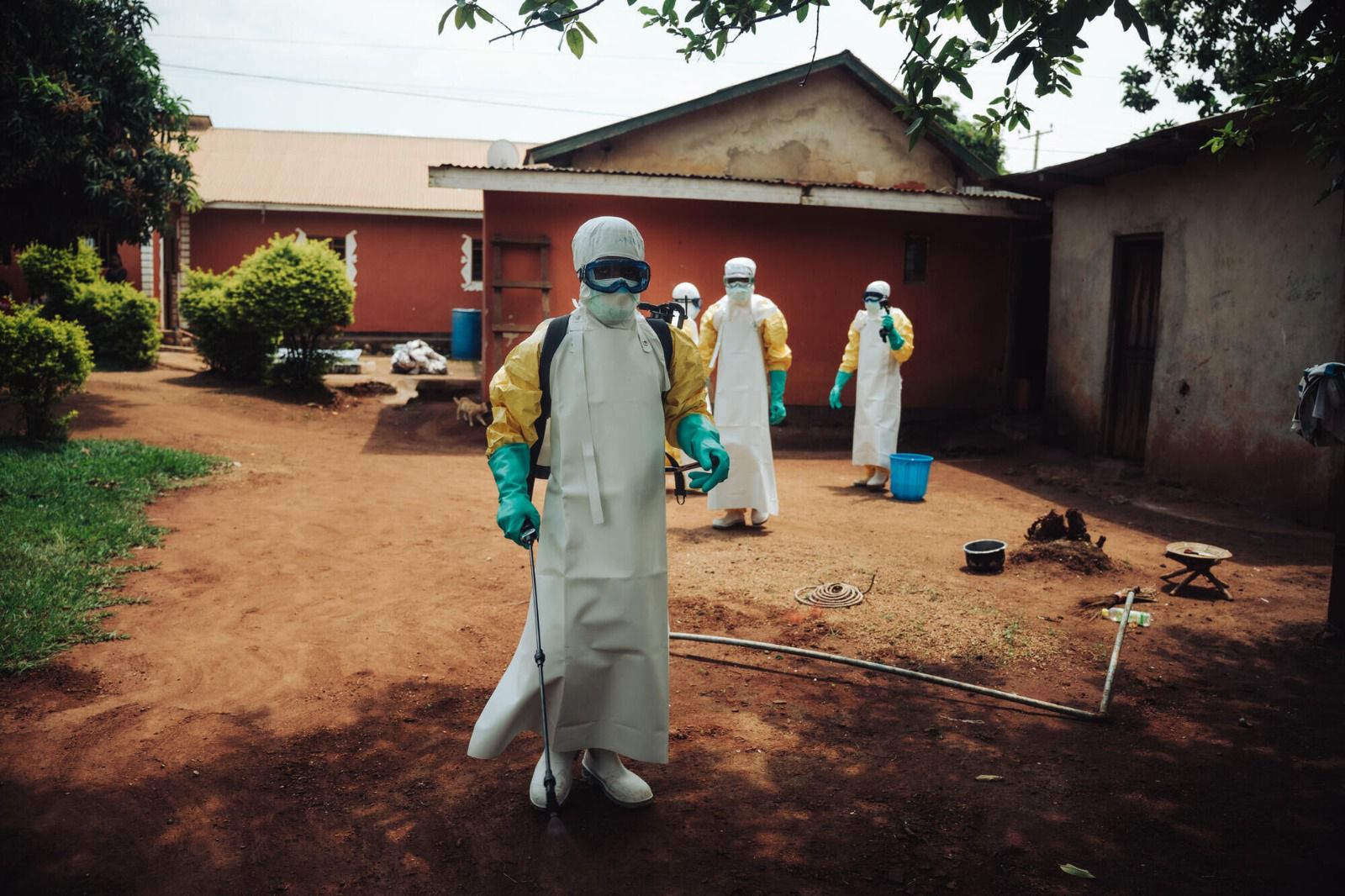
As it nears 100 days since the Ebola outbreak was declared in the Democratic Republic of Congo (DRC), Médecins Sans Frontières (MSF) warns that communities are not receiving enough support to contain the disease. This outbreak has become the largest and deadliest in the country’s history, and it continues to spread at an alarming rate within communities already facing conflict, violence, displacement, and hunger, along with other health emergencies in their daily lives.
Training for health workers and community leaders in case detection, referrals, and infection prevention and control measures must be urgently increased within affected communities.
Over the past week, Ebola-related deaths have been reported at a rate of roughly one every half hour. Since the outbreak began, and as of August 16, national authorities have reported more than 5,000 confirmed cases and over 2,400 deaths.
“This epidemic continues to spread, moving faster than the response can keep up,” says Dr. Javid Abdelmoneim, MSF’s International President. “Treatment centers remain vital for saving lives, but this response needs more than just additional beds.”
“It requires better detection, safe isolation for the sick and their contacts, and support for health workers,” says Dr. Abdelmoneim. “People seeking care in existing health facilities also need protection from infection. Crucially, the response must be built with communities, not around them.”
In the Rho displacement camp, near Drodro in Ituri province, community leaders have worked with MSF to encourage symptomatic individuals to seek testing, isolation, and treatment early. They also promote infection prevention and control measures to lessen community transmission risks. In the overcrowded camp, home to nearly 50,000 people, this collaboration has helped limit Ebola’s spread and decrease mortality.
“We know our communities and how best to reach our people,” says Ezrome Kiza Lumani, a community leader living in the camp. “When Ebola arrived, we didn’t wait. We talked to families, listened to their fears, and encouraged those with symptoms to seek care. We have a crucial role in stopping this outbreak.”
Since the outbreak was officially declared, many Ebola deaths have occurred outside – and often far from — treatment centers. This means many are dying at home or within their communities without care, allowing the virus to continue spreading before cases are identified.
Alarmingly, case numbers are rising rapidly beyond Ituri’s epicenter, with North Kivu province experiencing particularly high mortality and mistrust in the response.
“With cases emerging in new areas with little or no Ebola management experience, Ebola-trained healthcare workers are urgently needed not only inside treatment centers but also directly in affected communities,” says Trish Newport, MSF’s emergency program manager in Ituri.
MSF is currently responding in Ituri, North Kivu, South Kivu, Tshopo, and Haut-Uélé provinces. Teams are operating six Ebola treatment and isolation centers in affected areas, with more than 400 beds available—about one-third of all beds in the response. Over 1,400 MSF staff support the effort. Since the outbreak began, our teams have admitted more than 2,000 patients, over 800 of whom confirmed Ebola.
In Beni, North Kivu province, we have worked to integrate our response within communities. By supporting existing health facilities that also provide general healthcare services, we can start treatment quickly—and more can be done to bring care closer to people’s homes.
“Health workers and community leaders need training to detect cases early, refer patients safely, reinforce infection prevention and control, and protect themselves and others,” says Newport. “The World Health Organization (WHO), other UN agencies, humanitarian organizations like MSF, and the Congolese Ministry of Health must urgently expand this training and support.”
Community leaders like Emery Guba Mateso, also from the Rho displacement camp, share their experiences to motivate others to seek care. He lost his son to the disease and survived an infection himself.
“As someone who has recovered from Ebola, I would tell the community: as soon as the first symptoms appear, it’s important to seek medical care promptly, because early treatment greatly improves recovery chances,” says Guba Mateso.
Distributed by APO Group on behalf of Médecins Sans Frontières (MSF).
Author






Related Articles
Pate Urges States to Boost Healthcare Funding as NCDs Rise | ClipTV Online
The Coordinating Minister of Health and Social Welfare, Prof. Muhammad Ali Pate,...
Breast Cancer: Fidelity Bank, Foremost Radiology Promotes Early Detection | ClipTV Online
Fidelity Bank Plc and Foremost Radiology are partnering to promote breast cancer...
YSMA, Art for Health Initiative Use Art to Spark Mental Health Conversations
The Yemisi Shyllon Museum of Art (YSMA), Pan-Atlantic University, in collaboration with...
Why the Future of Healthcare Education May Depend on Stronger Industry-Academia Partnerships | ClipTV Online
For many years, the traditional path to a professional career has been...
Leave a comment