





NCC, CBN Tackles Fraud, Protect Consumers With Landmark MoU | ClipTV Online
 Abraham AdaranijoApril 20, 20262 Mins read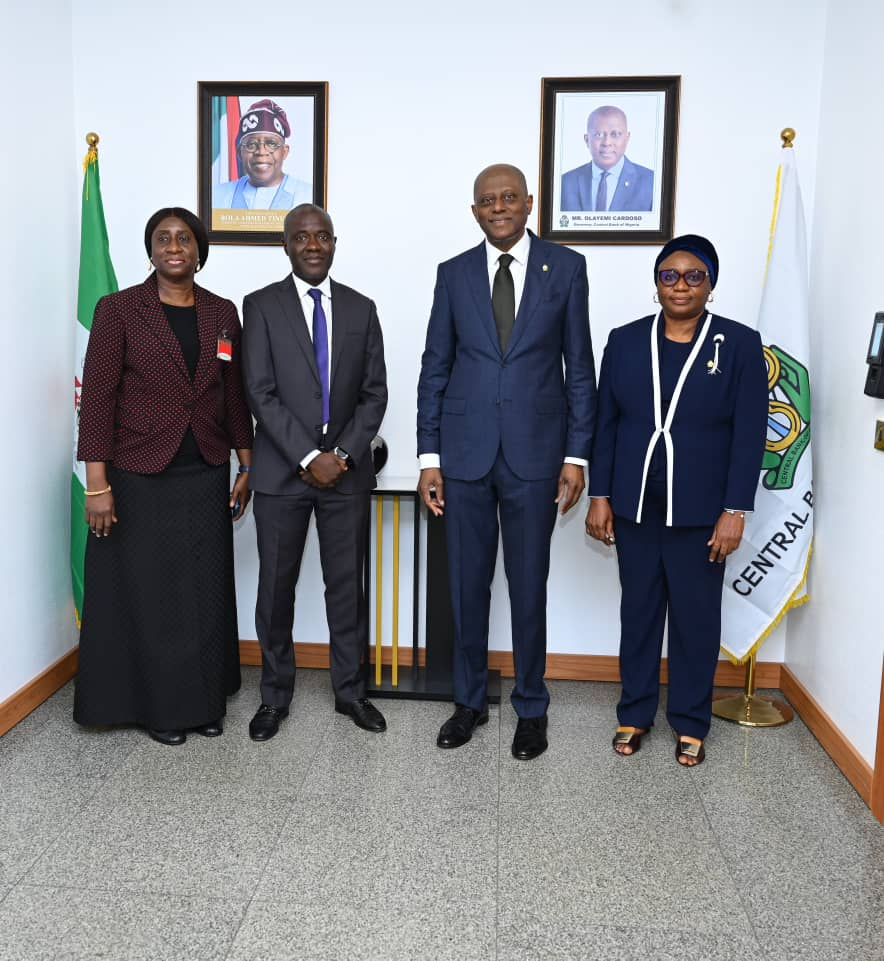
To battle SIM related fraud, the Nigerian Communications Commission (NCC) and the Central Bank of Nigeria (CBN) have signed a Memorandum of Understanding (MoU). The duo noted that the MoU would safeguard consumers against fraud while opening opportunities to leverage the potentials of the telecommunications and financial sectors.
The MoU was signed as NCC and CBN inaugurated a Joint Committee on Payment Systems and Consumer Protection. The MoU also led to a Joint Committee on Telecoms Identity Risk Management System (TIRMS) Portal.
The Executive Vice Chairman and Chief Executive Officer of NCC, Dr Aminu Maida said the MoU provides a structured framework in a number of ways. He noted that it framework includes cooperation in critical areas including payment system integrity, fraud mitigation, digital inclusion, and the protection of consumers, micro, small and medium-sized enterprises. Furthermore, the CEO said it will translate into practical outcomes that strengthen trust, deepen inclusion, and support a secure and resilient digital economy.
Dr Maida described the MoU signing as an important milestone in “the regulatory stewardship” of Nigeria’s digital economy. Stating that it reflects a shared commitment to partnership in strengthening financial system stability and advancing digital inclusion, and protecting consumers in an increasingly interconnected ecosystem.
He said “The Commission places significant importance on collaboration. Indeed, many of the critical milestones we have achieved in addressing some of our industry’s challenges—and even in leapfrogging our sector—have been made possible through strategic partnerships and sustained collaboration. Our collaboration with the Central Bank is not new.
“Over the years, our two institutions have demonstrated the value of close regulatory coordination. A notable and recent example is our collective effort in resolving the long-standing USSD debt impasse—an intervention that restored confidence, preserved service continuity, and safeguarded the interests of consumers, telecom operators, and financial institutions alike. That experience reaffirmed a simple truth: that complex, cross-sector challenges are best addressed through structured collaboration.
“This MoU provides a clear framework for cooperation in critical areas such as payment system integrity, consumer protection, fraud mitigation, and the responsible use of digital infrastructure. In particular, it supports initiatives that promote secure digital payments, enhance trust in mobile-enabled financial services, and extend safe access to underserved populations and MSMEs.
‘For the NCC, this MoU speaks directly to one of the critical pillars of our strategic focus: leveraging cross-sectoral innovation to deliver a safe, resilient, inclusive and trusted digital ecosystem. As mobile numbers increasingly underpin identity, authentication, and financial access, collaboration with the CBN is essential to ensuring that innovation is matched with strong governance, system stability, and consumer safeguards,” Dr. Maida declared.
The EVC explained that the collaboration is designed “For the prevention of electronic fraud, which has become increasingly pervasive, with significant implications for the integrity of our digital economy. Through the Telecom Identity Risk Management System (TIRMS) Portal—which aggregates data on churned (recycled) phone numbers, as well as numbers flagged within your sector—the Financial Services Industry will now have enhanced visibility into the status of phone numbers, one of the most widely utilized resources in your sector, although regulated by the NCC.
“This means that the Financial Institutions will be able to determine when a line is active, when it has been swapped, when it has been disconnected due to inactivity and reassigned to a new subscriber, and when it has been flagged for suspicious or fraudulent activity. This ensures that our financial services industry is better equipped with timely and relevant information to effectively combat e-fraud, particularly those
Author






Related Articles
NCC, REA Sign MoU to Bridge Digital Infrastructure, Energy Divide | ClipTV Online
To enhance the Nigerian broadband architecture, the Nigerian Communications Commission (NCC) and...
Nigeria Rallies Africa, Urged Unified Digital Policy | ClipTV Online
Nigeria has called for stronger collaboration among African countries to advance shared...

NCC Calls for Unified African Voice on Global Telecom Policies | ClipTV Online
The Nigerian Communications Commission (NCC) has called for stronger collaboration among African...

NCC Engages Stakeholders on Fair Pricing for Broadband Duct Sharing | ClipTV Online
The Nigerian Communications Commission (NCC) has reaffirmed its commitment to promoting efficient...
Leave a comment