




Obasanjo Expresses Concerns About State of Nigerian Refineries and Disputes Claims on Port Harcourt Refinery | Cliptv Online
 Abraham AdaranijoSeptember 5, 20231 Mins read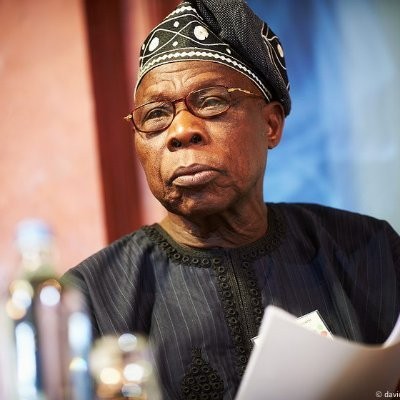
By Abraham Adaranijo
Former Nigerian President Olusegun Obasanjo recently voiced his concerns about the condition of Nigeria’s refineries and challenged the claims that the Port Harcourt refinery would be operational by December.
Obasanjo questioned statements made by Bola Tinubu, a prominent Nigerian politician, about the refineries being operational by December. Obasanjo disagreed with this prediction and explained that he had received information from Shell during his presidency, which led him to believe that the refineries would not work effectively as long as they remained under government control.
He recounted a meeting with Shell during his presidency where he proposed handing over the refineries to the company for assistance in running them. Shell declined his offer, citing several reasons:
- Shell’s primary revenue source comes from upstream activities, such as exploration and production, rather than downstream activities like refining.
- The company considered downstream operations a matter of service rather than a core business.
- Shell believed that Nigeria’s refineries would not be a profitable venture for them. Globally, companies were investing in larger refineries due to better economics.
- Corruption was rampant in the operation of refineries, making them an undesirable investment.
Obasanjo acknowledged that he had nearly given up hope on the refineries when Aliko Dangote and Femi Otedola approached him with an offer to purchase a 51 percent stake in the Port Harcourt and Kaduna refineries for $761 million. He was enthusiastic about this proposal, as it could have relieved the government of the burden of managing the refineries. Unfortunately, the sale was canceled by President Umaru Yar’Adua, and the refineries remained under the control of the Nigerian National Petroleum Corporation (NNPC).
As a result, Nigeria’s refineries continue to face challenges and are not operating optimally, despite various attempts to revamp the sector. Obasanjo’s remarks highlight the complex issues surrounding Nigeria’s oil and gas industry, including concerns about corruption, profitability, and the role of the private sector in addressing these challenges.
Author




Related Articles

From Opportunity to Expansion: How Fidelity Bank FundHer Supported Akara Café’s Next Chapter
Building a business is often about recognising opportunities at the right time...

Wealth Growth: Fidelity Bank Targets Diaspora with Multi-Currency Fixed Deposits | ClipTV Online
A Nigerian professional in London closes her laptop after another workday. In...
Shareholders Commend Fidelity Bank’s Strong Performance ClipTV Online
Shareholders of Fidelity Bank Plc have lauded the Bank’s Board and Management...
IFMA Unveiled Learning Hub, Talent Bank to Strengthen Economic Growth | ClipTV Online
To strengthen and enhance facility management professionally, the International Facility Management Association...
Leave a comment