





PAU: Ekundayo Calls for Balanced Approach to Fossil Energy, Sustainability | ClipTV Online
 Abraham AdaranijoOctober 12, 20262 Mins read
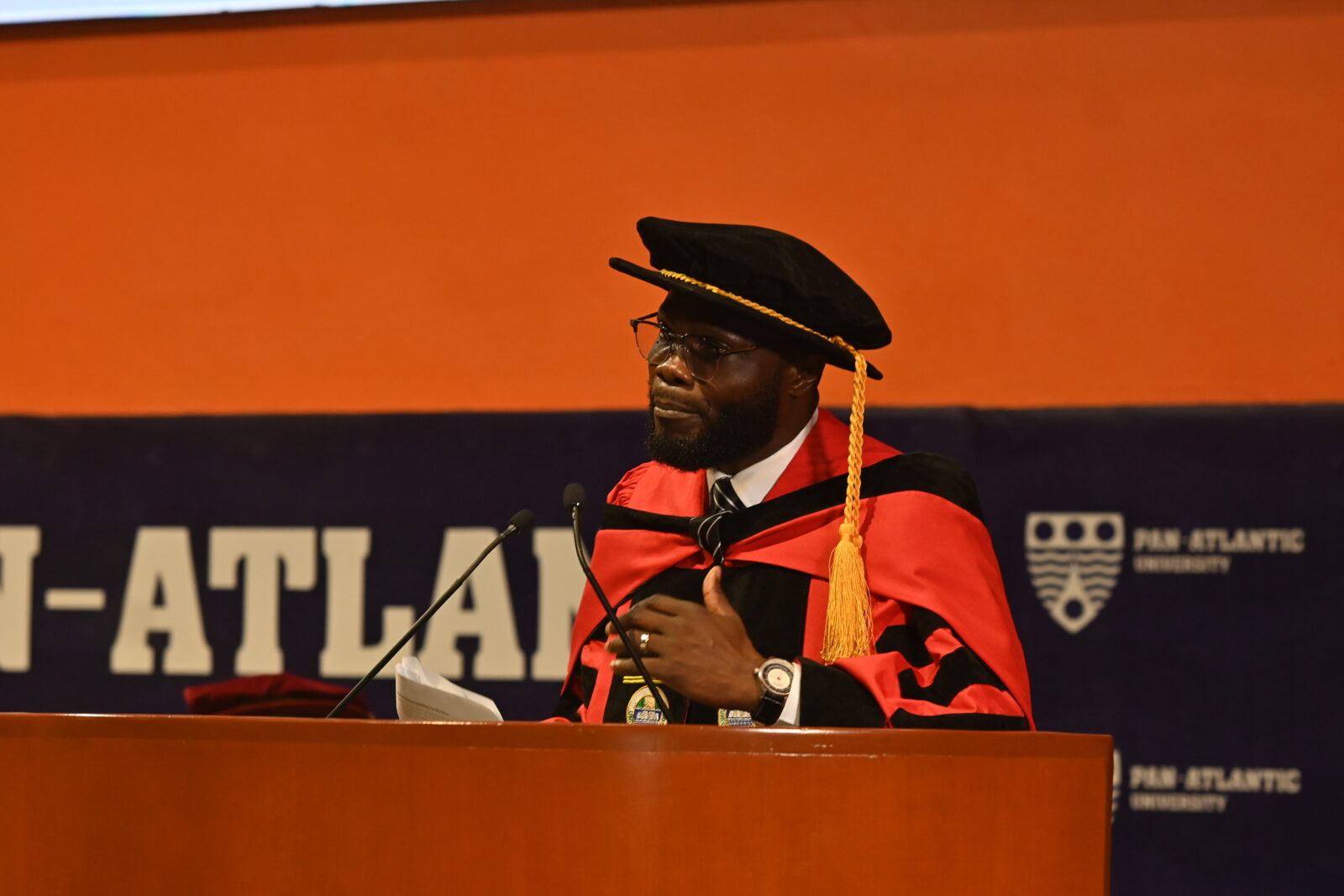
Pan-Atlantic University has called for a development-focused approach to the global energy transition. Professor Ekundayo Peter Mesagan, Energy and environmental economics, school of management sond social science stressed the need to balance environmental sustainability with energy access, poverty reduction and economic growth in developing countries.
He made the call while delivering the institution’s 26th Inaugural Lecture at the Honeywell Group Auditorium, Lagos Business School.
The lecture, titled “Making Lemonade from Lemons: The Fossil Energy & Sustainability Puzzle,” examined the challenges facing oil-rich and energy-deficient nations as the world seeks to reduce carbon emissions and expand the use of renewable energy.
Mesagan argued that the energy transition was more complex than simply replacing fossil fuels with renewable alternatives, noting that technological and cost constraints meant fossil fuels would remain part of the global energy mix for the foreseeable future.
He also maintained that Africa’s energy transition pathway could not simply replicate Europe’s, given the continent’s pressing need to expand energy access and support economic development alongside environmental objectives.
Framing the central debate, the professor questioned the implications of reducing fossil fuel use for developing countries that depend on oil revenues to finance national development.

He asked whether oil-rich nations should abandon their existing energy resources or seek alternative sources of income to finance development projects.
Mesagan emphasised that natural resources alone do not determine a nation’s economic future, arguing that governance, policy choices, innovation and investment are critical to converting resource wealth into sustainable development.
“The future belongs to countries that can transform challenges into opportunities,” he said.
He identified technological innovation, cleaner industrial processes and carbon capture and storage as important considerations in addressing the environmental impact of energy production and consumption.
The professor also highlighted the importance of financial systems that align investment with sustainability priorities, adding that energy transition policies must be linked to poverty reduction and improved access to reliable energy.
According to him, meaningful progress would require collaboration among economists, engineers, policymakers, environmental scientists and other professionals to develop solutions suited to the realities of individual countries.
Earlier, the Vice-Chancellor of Pan-Atlantic University, Professor Enase Okonedo, described Mesagan as an economist, researcher and policy adviser whose work covers energy and environmental economics, industrial policy, natural resources and sustainable economic development.
She highlighted his contributions to national development, including his membership of the drafting committee for Nigeria’s Agenda 2050 under the Federal Ministry of Budget and Economic Planning, as well as his engagement with the Nigerian Economic Summit Group and the Nigerian Institute of Social and Economic Research.
“Through his research, teaching and engagement with policy and industry, Professor Mesagan continues to contribute to the understanding of some of the economic and environmental issues shaping Nigeria and the wider African continent,” Okonedo said.
The inaugural lecture attracted university principal officers, members of Senate, faculty, students, alumni, industry leaders, policymakers and members of the public.
Author






Related Articles
Student Loan Success Do Not Guarantee Immediate Upkeep Payments -NELFUND | ClipTV Online
The Nigerian Education Loan Fund (NELFUND) has urged beneficiaries applying for student...
NELFUND 2026/2027 Student Loan: 7 Application Guides
The application for the 2026/2027 Nigerian Education Loan Fund (NELFUND) is now...
NCC, ALTON to Roll Out Education Zero-Rated Data Initiative | ClipTV Online
The Nigerian Communications Commission (NCC), in collaboration with the Association of Licensed...

TheMuseumsLab Residency: Shyllon Museum Welcome British, Ugandan Fellows | ClipTV Online
The Yemisi Shyllon Museum of Art (YSMA) at Pan-Atlantic University (PAU) has...
Leave a comment