





Abidjan-Lagos Corridor: ECOWAS Members Call for Commitment to Address Trade Barriers | ClipTV Online
 Abraham AdaranijoFebruary 1, 20252 Mins read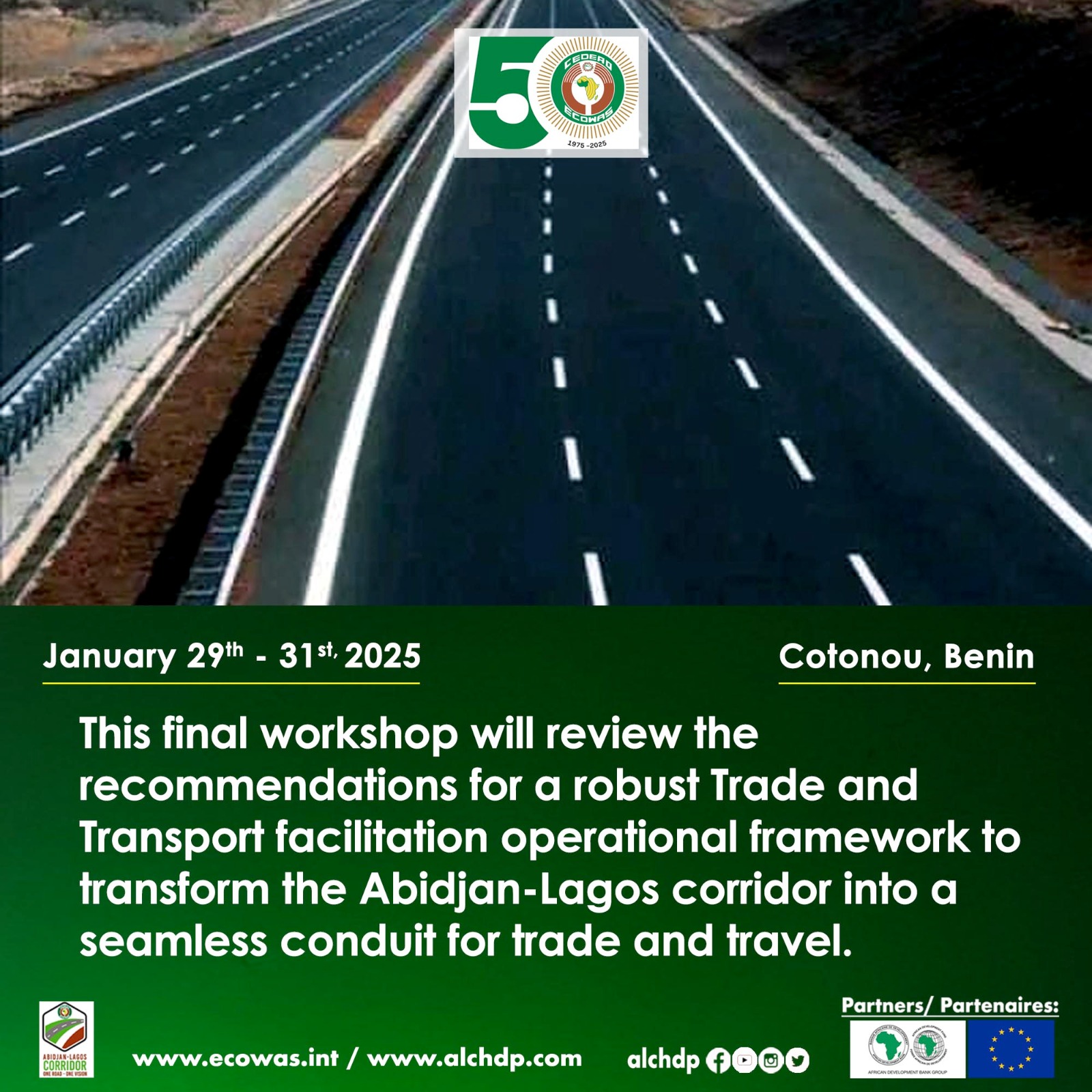
The year 2025 marks the Economic Community of West African States (ECOWAS) 50th anniversary. Representatives across Corridor Countries attending a three-day technical workshop in Cotonou, Benin, have therefore called for urgent political intervention. This call to action is to eliminate trade and transport barriers along the Abidjan-Lagos Corridor.
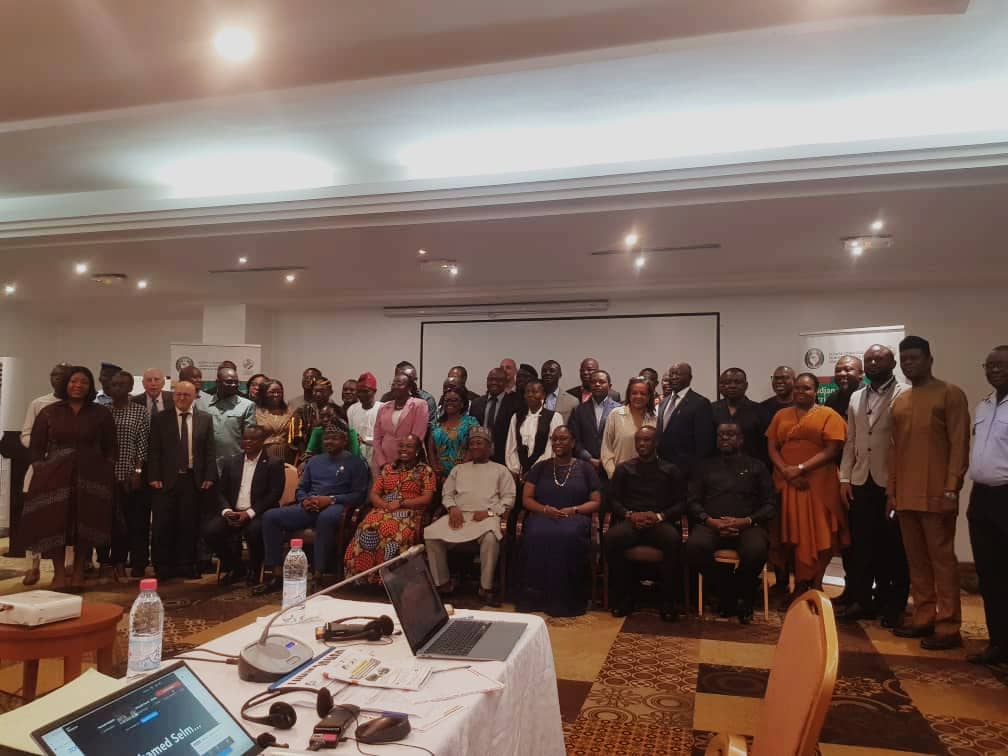
Hosted by ECOWAS Transport Directorate from January 29 to January 31, 2025, the workshop focused on reviewing recommendations for improved trade. This, especially transport facilitation under the Abidjan-Lagos Corridor Highway Development Project. It is to improve intra-regional trade and ensure the free movement of goods and citizens across West Africa.
Key Issues Discussed
At the workshop, participants raised concerns over the checkpoints excessiveness. Also, border control delays, harassment of traders, and non-tariff barriers that continue to hinder trade along the Corridor were raised. The workshop emphasized that ECOWAS member states should implement existing regional trade and transport agreements that align with international best practices.
The major part of the Abidjan-Lagos Corridor Highway Development Project is the creation of a Trade and Transport Facilitation (TTF) strategy that ensures seamless movement of goods, services, and people. The proposed framework will:
Eliminate multiple control points and unnecessary customs checks.
Fully implement the new ECOWAS Transit Procedure, replacing the old Inter-State Road Transit Scheme to streamline cross-border transportation.
Enhance digital integration of customs systems across member states.
Expand the use of the ECOWAS Brown Card to facilitate insurance coverage for cross-border vehicles.
ECOWAS’ Commitment to Regional Integration
Director of ECOWAS Transport, Mr. Chris Appiah stated that once completed, the trade and transportation framework will significantly boost intra-regional trade and free movement. “It will position member states to fully benefit from the African Continental Free Trade Agreement (AfCFTA),” he said.
He further note that the six-lane Abidjan-Lagos highway project will connect major economic hubs in Abidjan, Accra, Cotonou, Lomé, and Lagos. It will stimulate social and economic growth by integrating economies and reducing poverty among communities along the corridor.
Strategic Importance of the Abidjan-Lagos Corridor
Furthermore, the 1,028 kilometers corridor is a crucial economic lifeline for West Africa. It will link major seaports that serve landlocked countries like Burkina Faso, Mali, and Niger. Improving transport, economic hubs and intra-region relationship along the route, the project will also achieve enhanced regional trade and economic integration.
It will create jobs and boost commercial activities.
Lastly, it will ensure smoother logistics for businesses and exporters.
Next Steps
The workshop also saw technical experts, government officials, the African Development Bank (AfDB), the European Union (EU), and key regional stakeholders, is expected to finalize the Trade and Transport Facilitation Study for the Abidjan-Lagos Corridor. This will form the basis for the next phase of implementation.
Additionally, with political commitment and policies enforcement of regional trade, this Abidjan-Lagos Corridor could emerge as a pattern for cross-border integration in Africa. It will also strengthen ECOWAS role in driving economic development and trade facilitation across the region.
Author






Related Articles

BRT Bus Set Ablaze After Alleged Okada Collision | ClipTV Online
A Lagos Bus Rapid Transit (BRT) bus was allegedly set ablaze after...

Sterling Bank Charts Way Forward for Nigeria’s Transport, Logistics Sector | ClipTV Online
Industry leaders, policymakers, financiers, and innovators convened in Lagos today for the...
Dongfeng Motor Completes Official Transportation Support Mission for G20 Summit | ClipTV Online
Recently, as the official designated vehicle partner for the 2025 G20 Summit...
Smart Ride: Lagride Launches Low-Cost Omni With Safer, Air-Conditioned Rides | ClipTV Online
Lagos leading smart mobility platform has launched the Lagride Omni, a low-cost,...
Leave a comment