





Fatinikun, Onilede Calls for Collaboration, Plan to Strengthen National Security | ClipTV Online
 Abraham AdaranijoFebruary 14, 20252 Mins read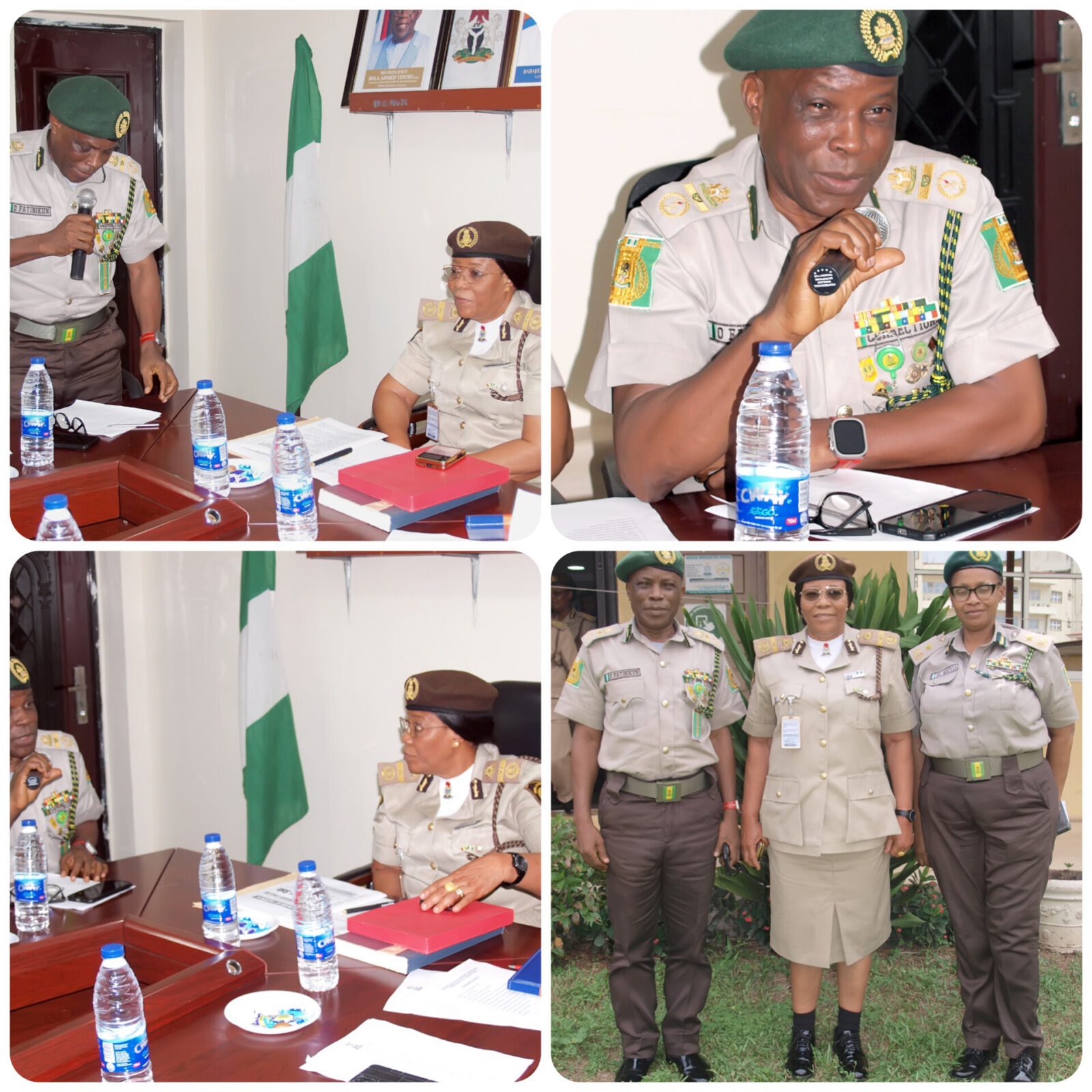
In a bid to strengthen inter-agency collaboration, Assistant Controller General (ACG) Opeyemi Fatinikun, mni, Coordinator, Nigeria Correctional Service (NCoS) Zone A, paid an advocacy visit to the Nigerian Immigration Service (NIS) Zone A on Tuesday. The visit aimed at fostering a deeper synergy between the two security agencies to enhance national security and the efficiency of correctional services.
Security, Rehabilitation Challenges
During his visit, ACG Fatinikun commended the Minister of Interior, Hon. Olubunmi Tunji-Ojo, for his dedication to fostering cooperation among agencies under the ministry’s supervision. He also appreciated Assistant Comptroller General of Immigration (ACG) Mosunmola Esther Onilede, PhD, for the warm reception at the NIS Zonal Headquarters, Ikeja, Lagos.
In his address, ACG Fatinikun outlined the pressing security and logistical challenges facing the NCoS, particularly in Zone A, which comprises 11 custodial formations across Lagos and Ogun States. According to him, Lagos houses five major custodial centers: Ikoyi Custodial Centre, Badagry Custodial Centre, Maximum Security Custodial Centre, Kirikiri, Medium Security Custodial Centre, Kirikiri, Female Custodial Centre, Kirikiri. Similarly, Ogun State has seven correctional facilities.
Fatinikun highlighted that these centers currently accommodate over 13,000 inmates, the highest concentration of prisoners in any correctional service nationwide. Among them, over 900 inmates are on death row (IDR), further exacerbating overcrowding and security concerns. He called for increased armed personnel deployment to custodial centers to prevent security breaches.
Need for Inter-Agency Cooperation

ACG Fatinikun emphasized that effective rehabilitation and reintegration of inmates into society require multi-agency collaboration. He urged NIS to provide support in screening and managing the identities of inmates, particularly those with foreign backgrounds. He further highlight the importance of NIS armed officials guarding the custodial centers.
The ACG also called for the adoption of non-custodial sentencing for minor offenses, citing the need to decongest correctional facilities. “Non-custodial punishment for non-capital offenses is essential. It will mitigate the overpopulation of inmates and reduce health risks associated with overcrowding,” he stated.
Fatinikun also disclosed that he had engaged with the Ogun State Government to secure support for correctional services in the state, particularly in logistics and inmate welfare.
NIS Reaffirms Commitment to Collaboration
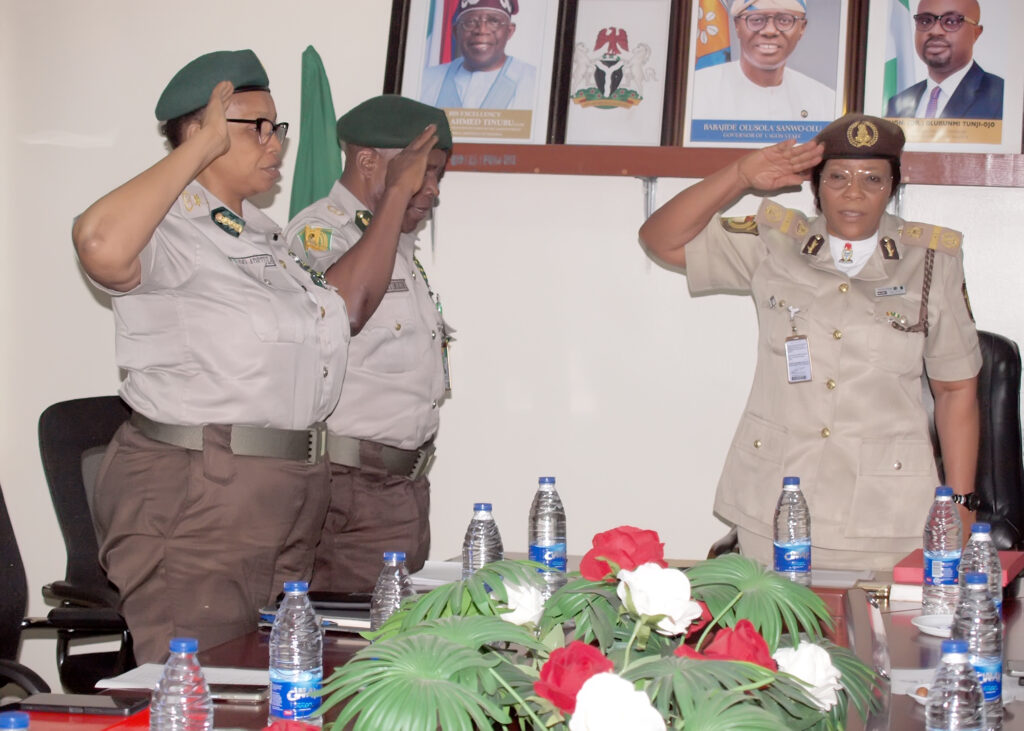
In response, Assistant Comptroller General (ACG) Mosunmola E. Onilede, PhD expressed appreciation for the visit, acknowledging the critical role of inter-agency cooperation in ensuring national security. She pledged the full cooperation of NIS in supporting NCoS objectives, particularly in areas concerning custodial security, identity verification, and intelligence sharing.
She further highlighted the increased threat of organized crime, including human trafficking networks linked to groups like Boko Haram, ISWAP, and Lakurawa. “Beyond insurgency, Nigeria faces a growing menace of organized crime, including human trafficking. Addressing these challenges requires a unified approach among security agencies,” she stated.
Call for Discipline, Professionalism
ACG Onilede also emphasized the need for discipline and professionalism within both agencies, charging senior officers to enforce higher standards of conduct among junior personnel. “There is an urgent need to address indiscipline among junior officers. Strengthening discipline within our ranks is critical to maintaining security and service integrity,” she asserted.
Conclusion
The advocacy visit between NCoS and NIS marks a significant step in fostering stronger inter-agency collaboration to improve correctional management and national security. The commitment of both agencies to working together ensures a safer and more effective correctional system, ultimately benefiting the nation.
With continued collaboration and support from relevant stakeholders, the Nigerian Correctional Service and Nigerian Immigration Service are set to strengthen their role in ensuring national safety, effective inmate rehabilitation, and crime prevention.
Author






Related Articles

Nigerian Protests: APRA stands with Nigeria, Urges Continuous Dialogue | ClipTV Online
The African Public Relations Association (APRA) hereby expresses unequivocal solidarity with the...

Lagos Indigenous Youth Urges Parents To Guide Wards Against Planned Protest | ClipTV Online
Gbenga Adewale In an effort to mitigate the planned protest scheduled for...

PROTEST: OGUNLEWE URGES YOUTH TO CHOOSE CALM, PATIENCE, AND INTELLECTUAL ENGAGEMENT | ClipTV Online
…he emphasizes constructive dialogue amidst national tensions… In response to the growing...

Protest: Folashade Oba Appeals for National Unity and Patience | ClipTV Online
In a fervent appeal to Nigerian youths, Aarebirin Hon. (Dr.) Princess Folashade...
Leave a comment