



Abidjan-Lagos Corridor: ECOWAS, FMoW Address Project Impact, Compensation Plans | ClipTV Online
 Abraham AdaranijoMarch 22, 20252 Mins read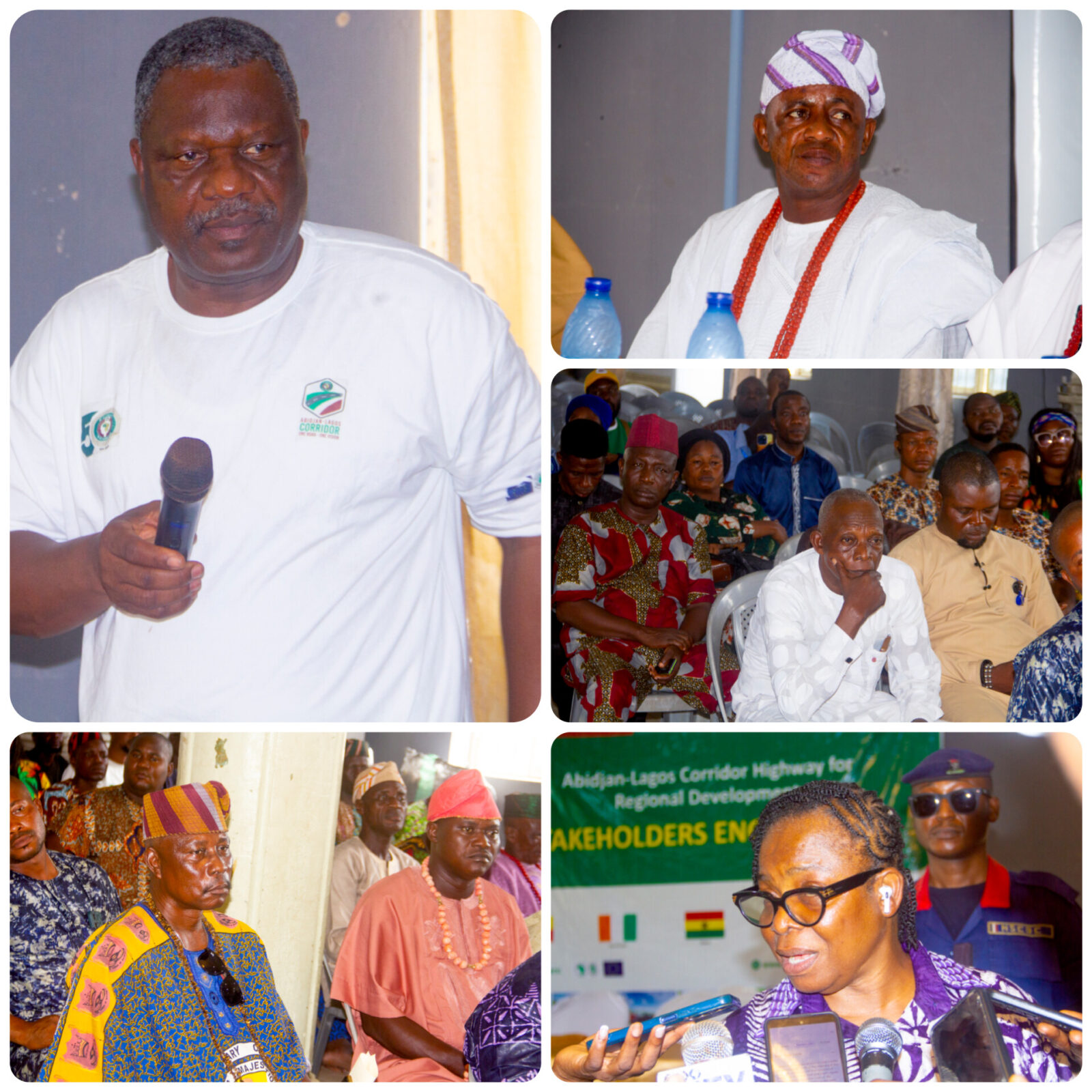
Infrastructure is key, but also how it’s used, and that’s political – Paul Pagame. In a strategic effort to provide further clarity on the Abidjan-Lagos Corridor Highway Development Project, the Economic Community of West African States (ECOWAS) and the Federal Ministry of Works (FMoW) convened a stakeholder engagement session in Agbara on Friday. The meeting brought together key players, including government officials, traditional rulers, and local community representatives. It discussed the project’s progress, challenges, and expected benefits.
During the session, Mr. David Nwedu, the Project Director for Communication and Visibility Study of the Abidjan-Lagos Corridor project, shed light on the next phase of the initiative. He highlighted that, unlike in Nigeria, other sections of the corridor would be concessioned. This mean they would be handed over to private investors to build, operate, and recover their investments.
“The next step is different from what we are doing in Nigeria. Other sections of the road will be concessioned in 50-kilometer segments. Nigerian government on the other hand, under former Minister of Works Babatunde Raji Fashola, had already laid substantial groundwork. This groundwork makes the current administration’s task easier,” Nwedu explained.
He praised Nigeria for proactively addressing infrastructure challenges, noting that some of the bottlenecks being faced in other ECOWAS member countries were not present in Nigeria due to measures taken by previous administrations.
Economic Benefits
Nwedu emphasized the immediate benefits of the project. He stated that it would drive employment opportunities, engage local labor, and stimulate new industries and businesses along the corridor. He also addressed concerns about the displacement of individuals due to road expansion, assuring stakeholders that comprehensive assessments had been conducted.
“Every well-planned project has consultants who consider those affected by road expansion through a Resettlement Action Plan (RAP). This study identifies impacted individuals and properties along the corridor. The findings have been submitted to ECOWAS and will be reviewed in collaboration with the FMoW to determine compensation modalities,” Nwedu stated.
Engagement and Community Development
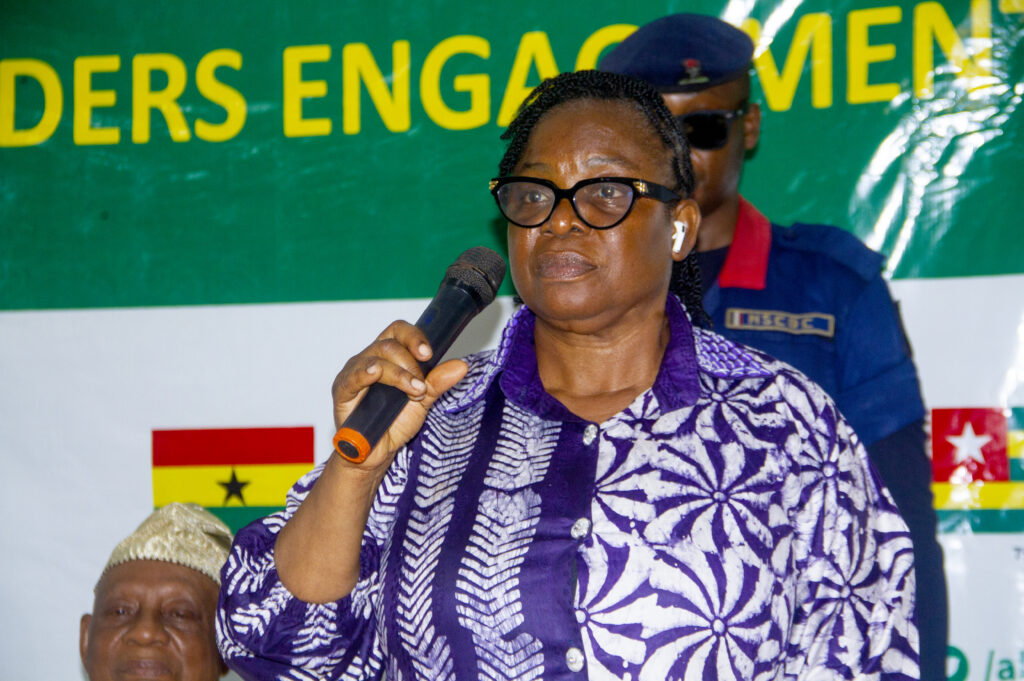
In her remarks, Chief Engr. Olukorede Kesha, Controller, Federal Ministry of Works (FMoW), emphasized, the Abidjan-Lagos Corridor is designed to be a seamless regional highway, with immense benefits for Nigeria and neighboring countries.
“You know, the benefits are enormous,” she stated.
She reaffirmed FMoW and ECOWAS’s commitment to stakeholder engagement. Stating they play a crucial role in ensuring the project’s success. Further stressing the importance of effective communication, she urged all stakeholders to remain informed and aligned with the project’s developments.
Furthermore, Kesha encouraged local leaders to engage the youths in meaningful ways. She caution against unreasonable demands that may obstruct project progress. As part of her commitment to community development, she requested civil engineer résumés. The Controller asked the community leaders to submit the names and résumés of qualified civil engineers from their areas, ensuring that local expertise is utilized in the project. “I have said this before and saying it again, if you have youths in civil engineering submit their documents to me,” she nailed. “This is one of the ways we can encourage them not to engage in touting.”
Traditional Rulers Express Support
Adding his voice to the discussions, His Royal Majesty, Oba Sulaiman Adeshina Raji-Ashade, the Oniba Ekun of Iba, praised the initiative. He then called for unwavering support from stakeholders within Badagry, Ojo and the environs. “It is a laudable project and we must all sustain it for greater development,” he said.
“This is a laudable project that will bring tremendous benefits to our communities. We must ensure its successful implementation,” he stated.
The engagement session reinforced the commitment of both ECOWAS and the Federal Government to the timely execution of the Abidjan-Lagos Corridor, a project expected to enhance regional integration, economic growth, and transportation efficiency across West Africa.
Also in attendance is the Onijanikin of Ijanikin land, Oba Mohammed Ashafa. Others in attendees includes other monarchs from the environ, and other community leaders.
Author






Related Articles

NCOP Demands Urgent Action on Gauteng Infrastructure Failures | ClipTV Online
The National Council of Provinces (NCOP) Gauteng Provincial Delegation has called for...
Senator Tokunbo Abiru Facilitates Road Construction Across Lagos East | ClipTV Online
In addition to the ongoing 32-km critical Ikorodu-Itokin Road reconstruction, that connects...
Abidjan-Lagos Corridor Highway Project: Steering Committee Adopts Key Infrastructure Plans
To boost regional integration and trade across West Africa, the 21st Steering...

Ogunlewe Distributes Transformers to CDAs, Commission Three Roads | ClipTV Online
Barr. Moyosore Adedoyin Ogunlewe, the Executive Chairman of Kosofe Local Government, has...
Leave a comment