

Concerns Deepen for Detained Niger President Amidst International Calls for Restoration | Cliptv Online
 Abraham AdaranijoAugust 11, 20231 Mins read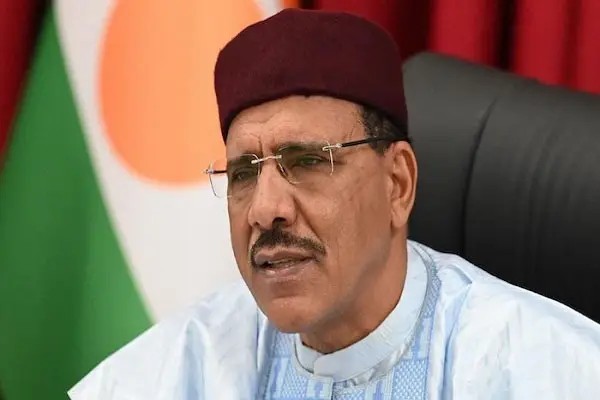
Fears are intensifying for the well-being of Niger’s detained President Mohamed Bazoum, who was ousted by his own guard on July 26th. International leaders and organizations, including the European Union (EU), the African Union (AU), and the United States, have raised alarm over his treatment and called for his immediate restoration to power.
According to reports, President Bazoum and his family have been subjected to dire conditions, including deprivation of food, electricity, and medical care. The EU’s foreign policy chief, Josep Borrell, expressed deep concern over these reports and urged for Bazoum’s swift return to office. The AU also condemned the mistreatment of a democratically elected leader, deeming it unacceptable.
Human Rights Watch (HRW) has communicated with President Bazoum, his doctor, his family lawyer, a former communications advisor, and a family friend. Bazoum described the treatment he and his family have endured as “inhuman and cruel.” He revealed that he hasn’t had electricity since August 2nd and has had no human contact since August 4th. He further expressed distress over his inability to receive visits from family and friends, including those bringing essential supplies. The lack of power has forced the family to rely solely on dry food, compromising their well-being.
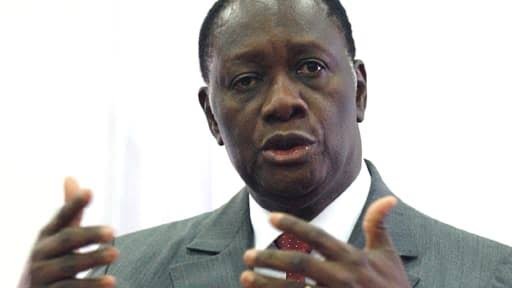
President Alassane Ouattara of Ivory Coast voiced his concerns during an emergency summit in Abuja, Nigeria, organized by the Economic Community of West African States (ECOWAS). He accused the Nigerien military of holding President Bazoum hostage and characterized the situation as a “terrorist act.”
ECOWAS, which comprises 15 member nations, including Nigeria, has approved the deployment of a “standby force to restore constitutional order” in Niger. While the details and timeline of the force’s deployment remain undisclosed, ECOWAS leaders emphasized their preference for a peaceful resolution through diplomatic negotiations and dialogue.
The coup in Niger has stirred debate within ECOWAS and has raised concerns from neighboring countries. Countries like Mali and Burkina Faso, which have also experienced military coups, warned that intervention could escalate into a declaration of war on their nations. Niger faces additional challenges due to ongoing jihadist insurgencies in various regions, and the international community’s attention remains focused on restoring stability, democratic governance, and the well-being of President Bazoum.
Author





Related Articles
President Alassane Ouattara of Ivory Coast Clarifies ECOWAS Stance on Niger Coup | Cliptv Online
In a crucial address to the media following the recent ECOWAS summit,...
Leave a comment