




Lagos CAN Chairman Backs Fuel Subsidy Removal, Calls for Accountable Use of Funds | Cliptv Online
 Abraham AdaranijoAugust 4, 20231 Mins read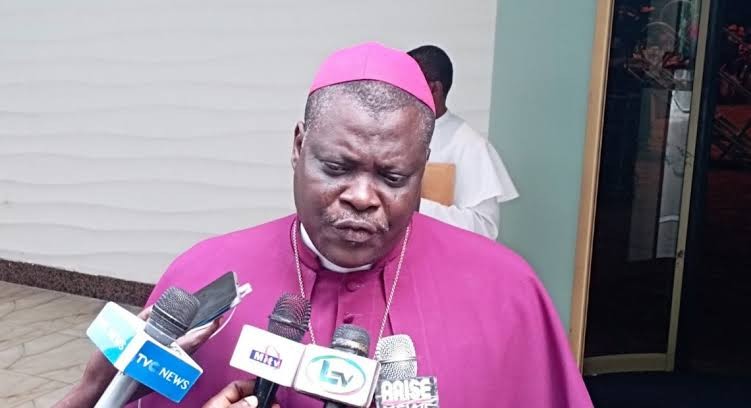
The Lagos State Chairman of the Christian Association of Nigeria (CAN), Bishop Stephen Adegbite, has expressed his support for the fuel subsidy removal by President Bola Tinubu. Speaking at a media conference in Abuja on Thursday, Bishop Adegbite emphasized the need for judicious and accountable use of the funds that would have been used to subsidize fuel.
The recent nationwide protest led by organized labour against what they term anti-poor policies of the federal government, including the subsidy removal, has drawn attention to the issue. However, Bishop Adegbite pointed out that all the nation’s four refineries are currently being revamped as part of an arrangement entered into by the previous administration of President Muhammadu Buhari, with specific timelines in place for local refining of petroleum.
Addressing the concerns about potential hardships resulting from the subsidy removal, Bishop Adegbite stated, “I believe a fight for the people is not just about their immediate comfort but more about their sustainable prosperity.” He urged the labour unions to recognize the long-term benefits that may arise from the responsible use of funds, as well as the government’s efforts to ensure self-sufficiency in petroleum refining.
As a religious leader, Bishop Adegbite affirmed that he had a duty to speak on these matters, and his support for the Tinubu administration is based on trust in their commitment to delivering on their promises and prioritizing the welfare of Nigerians.
The cleric acknowledged that policy changes might involve initial discomfort, but he called on all stakeholders to focus on the greater good and the goal of achieving sustainable prosperity for the citizens. He stressed the importance of responsible governance, transparent use of resources, and ensuring that the nation’s wealth benefits all its people.
As the debate over fuel subsidy removal continues, Bishop Adegbite’s stance highlights the need for a balanced approach that considers both short-term challenges and long-term benefits in securing Nigeria’s economic future.
Author





Related Articles

Osun 2026: Adeleke Defeats Oyebamiji, Secures Second Term Governor | ClipTV Online
Governor Ademola Adeleke has secured a fresh four-year mandate as the Governor...
OSUN 2026: Vote-Buying, Journalists Intimidation Raise Concerns | ClipTV Online
In recent times, the Civic Space Shrinking has been taking the center...

Emilagba Unveils One-Year Scorecard, Highlights Roads, Education Empowerment | ClipTV Online
Mayor Jubril Kolawole Emilagba, the Executive Chairman of Lagos Mainland Local Government,...
Funsho Williams Remains a Symbol of Peaceful Politics, Says SEADORF | ClipTV Online
Celebrating, Late Engr. Anthony Olufunsho Williams (Funsho Williams), who died on July...
Leave a comment