




PAU Hosts 2nd Annual Media Roundtable On Constructive Media Engagement In Governance | ClipTV Online
 Abraham AdaranijoSeptember 12, 20242 Mins read

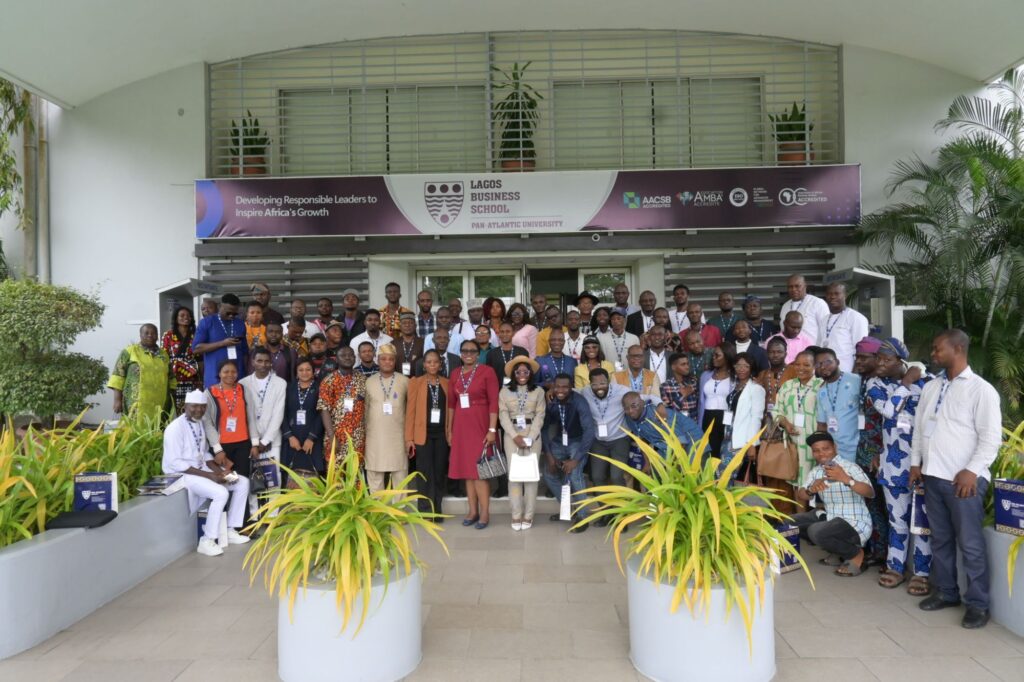
Pan-Atlantic University (PAU) held the second edition of its annual Media Roundtable event. This edition, centred around the theme: “Beyond Critique: The Importance of Constructive Media Engagement in Governance and Nation-Building.” The event brought together prominent media leaders, practitioners, students, academics, and various media stakeholders.
In his welcome address, Dr Peter Bamkole, PAU Deputy Vice-Chancellor (Admin) set the tone for the day’s conversations. He emphasized the power of truthful and transparent reporting. “What you see, say, and write must be truthful, transparent, and reliable. Speaking the truth will change the narrative and promote constructive engagement instead of blind criticism,” Dr Bamkole stated.
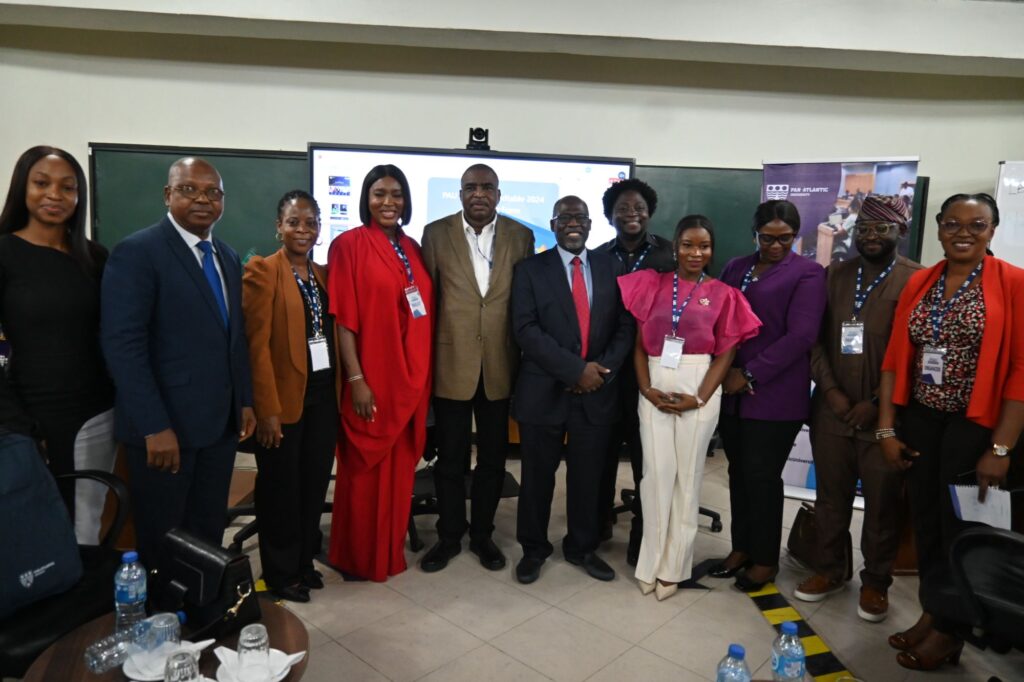
The event featured an engaging panel discussion led by esteemed media professionals. They include Magnus Onyibe (Public Policy Analyst and Author), Fisayo Soyombo (Founder, Foundation for Investigative Journalism -FIJ), Sherriff Quadry (Broadcast Journalist, Nigeria Info), Margaret Agada-Mba (Lecturer, School of Media and Communication, PAU), Jonathan James Lyamgohn (Media Consultant) and Tolulope Adeleru-Balogun (Head of Programmes, News Central).
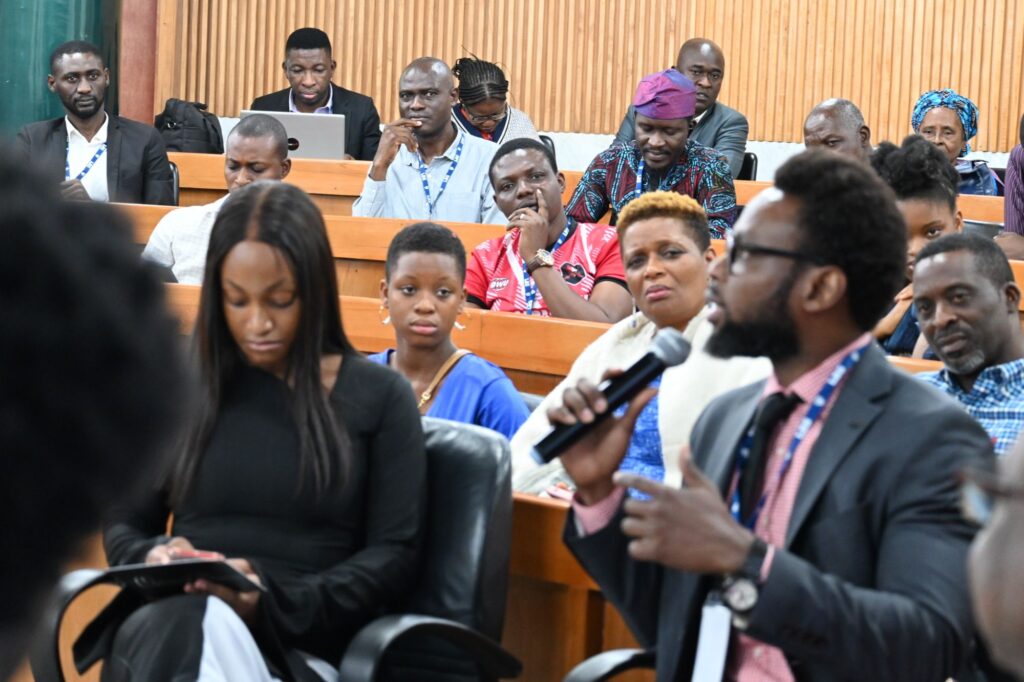
Each offering unique insights into the vital role of the media in governance and society. Onyinyechi Aderibigbe of Nigeria Info and Elizabeth Musa of Business Day were the moderators at the event.
During the panel discussion, Sherriff Quadry emphasised the demanding nature of journalism. Stating that it requires more than simply identifying as a journalist. He highlighted the need for extra commitment, dedication, and above all, sacrifice. Quadry also stressed the essential role of a free press in maintaining a functioning democracy. Noting that democracy cannot survive without journalists, and without a free press, it becomes impossible. He further addressed the challenges faced by Nigerian journalists. Asserting that determination is key, as the work can be frustrating, particularly in a context where politicians often feel they should not be questioned.
Quadry also spoke on the responsibility of journalists to ensure that their work positively impacts society. Cautioning that reports should foster development rather than create chaos.
In her contribution, Margaret Agada-Mba questioned the government’s view of the media, posing the critical question: while the media strives to partner with the government, does the government consider the media a partner in national development?
Tolulope Adeleru-Balogun echoed the sentiment that there should be no restraints on the press. Arguing that while cultural, religious, and ethnic sensitivities exist, they should not translate into restrictions on media freedom.
She further underscored the role of journalists as truth-tellers, stating that their responsibility is to present news with honesty and transparency. She added to the dialogue by stressing the responsibility of senior journalists to mentor the next generation. “There has to be a space for the transference of the values that make journalism what it is,” she said, underscoring the importance of cultivating ethical values in upcoming journalists.
Author





Related Articles

AI and Journalism: Experts Warn of Growing Risks, Call for Responsible Use, Accountability | ClipTV Online
The rapid adoption of artificial intelligence (Generative AI) in journalism is already...
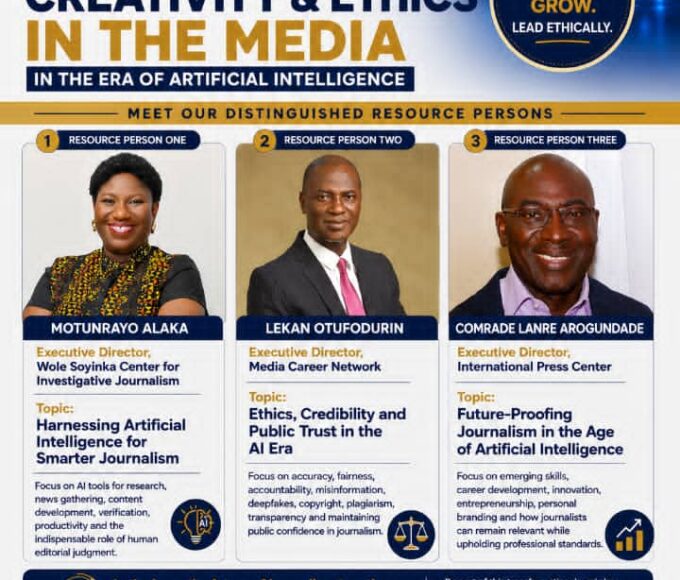
TPS Unveils Media Experts for AI Revolution, Journalism Workshop | ClipTV Online
Preparations are gathering momentum for the maiden sensitisation workshop being organised by...

Media, Governance, Growth in Focus as Ukachukwu Chairs NUJ Press Week | ClipTV Online
BOCA ENERGY RESOURCES LTD, a leading indigenous oil and gas company, has...
Veritas-Eagles: Ex Late Akeredolu CPS Launches PR Consultancy | ClipTV Online
Richard Olatunde, former Chief Press Secretary to the late Governor of Ondo...
Leave a comment