

President Tinubu’s Bold Economic Diplomacy and VP Shettima’s Vital Role in Global Engagements | Cliptv Online
 Abraham AdaranijoNovember 9, 20232 Mins read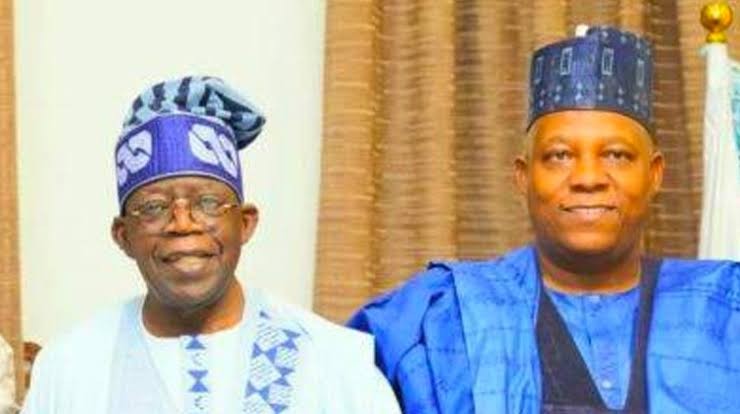
By Abraham Adaranijo
President Bola Ahmed Tinubu’s administration, in its bid to create a more prosperous and equitable society, has laid out comprehensive action plans in the Renewed Hope policy document. Released in anticipation of the 2023 general elections, this 80-page document outlines key areas of focus, including national security, economy, agriculture, power, oil and gas, transportation, and education. The President’s vision is to build a society founded on shared prosperity, tolerance, compassion, and equal respect for every citizen.
To ensure these campaign promises become a reality, President Tinubu, at the inaugural Federal Executive Council (FEC) meeting in August, presented an eight-point agenda aimed at revitalizing the economy and enhancing the lives of all Nigerians. This agenda encompasses food security, poverty eradication, economic growth, job creation, access to capital, improved security, upholding the rule of law, the fight against corruption, and improving the business environment.
Since taking office, President Tinubu has actively pursued an ambitious economic diplomacy, emphasizing the importance of a nation’s global prestige and economic well-being. His administration, along with Vice President Shettima, has embarked on multiple international engagements to create an environment conducive to both local and foreign investments.
In his debut address at the 78th Session of the United Nations General Assembly (UNGA) in September 2023, President Tinubu asserted that Nigeria possesses “the greatest economy with immense investment opportunities.” He underscored Africa’s significance as “the key to the world’s future.” This presentation aimed to assert Nigeria’s place on the world stage and attract international interest in the country’s economic potential.
The remarkable synergy between President Tinubu and Vice President Shettima has played a pivotal role in driving these diplomatic efforts. Their five-month-old administration has already achieved significant milestones in their global engagements.
One notable achievement was the Nigerian delegation’s successful participation in the 3rd Belt and Road Initiative (BRI) Forum in China. Vice President Shettima, alongside world leaders, engaged in discussions regarding high-quality Belt and Road Cooperation for common development and prosperity. These deliberations led to renewed Chinese commitments to vital railway projects in Nigeria, marking a significant advancement in the country’s transportation sector and regional connectivity. Agreements and memoranda of understanding (MoUs) worth billions of dollars were signed, fostering foreign direct investments in various sectors, including technology, automotive, and infrastructure.
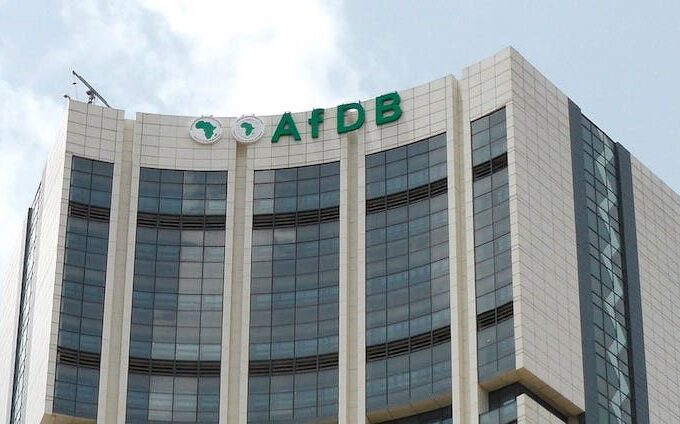
In the United States at the Norman Borlaug International Dialogue, World Food Prize 2023, Vice President Shettima presented Nigeria as an ideal destination for investment in agriculture. This outreach led to John Deere, an American company, deciding to invest in Nigeria’s agricultural sector, commencing with a tractor assembly plant. The African Development Bank, Islamic Development Bank, and the International Fund for Agricultural Development also pledged substantial funds to support the Special Agro-Industrial Processing Zones (SAPZs) in 24 Nigerian states.
President Tinubu’s administration has focused on fostering mutual international cooperation and removing bureaucratic obstacles. These efforts reflect Nigeria’s commitment to building strong partnerships characterized by respect, mutual benefit, and non-interference – vital for sustained global relations.
The achievements attained during these international engagements signal a promising future for Nigeria, with new opportunities and partnerships set to propel the nation to greater heights. Sustaining this momentum and harnessing the benefits of these collaborations will be crucial for Nigeria’s holistic development.
The leadership qualities exhibited by President Tinubu and Vice President Shettima, which include courage, vision, and a commitment to national unity and progress, are paving the way for transformative change. Despite anticipated reforms, they remain dedicated to safeguarding Nigeria’s long-term economic sustainability, making difficult yet necessary decisions for the nation’s prosperity.
As the nation continues on this path of growth and innovation, the power of strategic alliances and international cooperation is evident in driving sustainable development and economic prosperity. Nigeria is poised to reap the rewards of these efforts, realizing its potential on the world stage.
Author





Related Articles
IFMA Unveiled Learning Hub, Talent Bank to Strengthen Economic Growth | ClipTV Online
To strengthen and enhance facility management professionally, the International Facility Management Association...

Darkness: Feeder Dispute Leaves Ijede, Others Without Power | ClipTV Online
Electricity remains a critical source of livelihood for many Nigerians, despite persistent...
Polaris Bank Reinforces Commitment to SME-Led Export Diversification | ClipTV Online
Polaris Bank has reaffirmed its strategic commitment to strengthening Nigeria’s non-oil export...
GEF: Liberia Secures Landmark Approval to Cut Mercury Use in Gold Mining | ClipTV Online
The Global Environment Facility (GEF) has approved a transformative project developed by...
Leave a comment