





Trump Escalates Immigration Crackdown, Targets Officials Resisting Enforcement | ClipTV Online
 Abraham AdaranijoJanuary 23, 20252 Mins read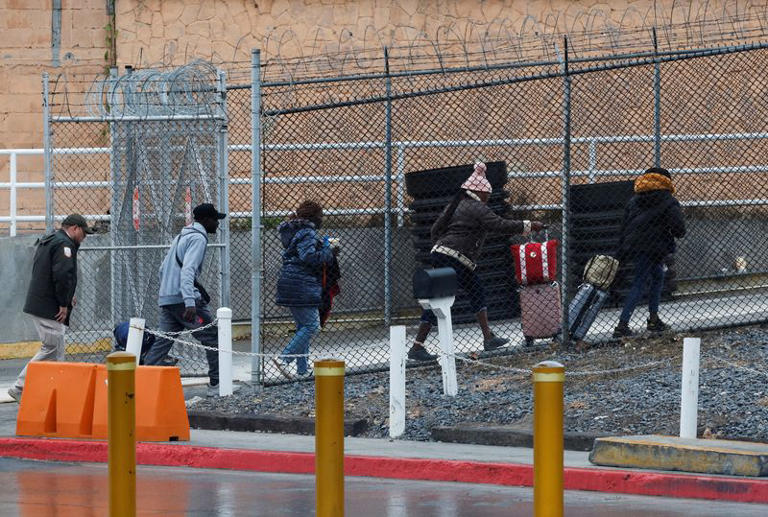
The U. S. Donald Trump administration has intensified its immigration enforcement efforts, directing federal prosecutors to investigate state and local officials who resist cooperating with federal immigration policies. A newly surfaced memo, authored by Acting Deputy Attorney General Emil Bove, outlines plans to prosecute instances of alleged misconduct by state and local authorities, marking a significant escalation in President Donald Trump’s immigration agenda.
The memo also hinted at potential legal challenges against state and local laws that complicate federal immigration enforcement. The directive underscores Trump’s commitment to curbing illegal immigration, a central pillar of his presidency, as his administration continues to target sanctuary cities like New York and Chicago.
Expanding Threats to Local Officials
This policy expands the Justice Department’s approach, not only targeting undocumented immigrants and their employers but also state and city officials who refuse to comply with federal enforcement. During Trump’s first term in office (2017-2021), many Democratic leaders openly defied his immigration policies, vowing to protect their communities from federal crackdowns.
California Attorney General Rob Bonta reaffirmed this defiance, stating, “We know that we don’t have to participate in immigration enforcement activities.”
However, the resistance within the Democratic Party is less unified this time. A recent bill requiring the detention of undocumented immigrants accused of theft gained bipartisan support in Congress. On Wednesday, 46 House Democrats joined Republicans to pass the legislation, which is now headed to Trump’s desk for signature.
Troops to the Border and Expanded Powers
The Trump administration is also deploying an additional 1,000 active-duty troops to the U.S.-Mexico border, following the president’s order. The move complements policies such as fast-track deportations, which allow immigration officers to expel individuals unable to prove they have been in the U.S. for more than two years.
Critics have quickly pushed back. Advocacy group Make the Road New York filed a lawsuit challenging the legality of expedited removals, arguing they violate constitutional due process rights and immigration law.
Meanwhile, civil rights groups raised concerns over an executive order issued by Trump earlier this week. The order requires officials to evaluate countries with deficient screening processes, potentially paving the way for a reinstatement of the controversial travel ban targeting predominantly Muslim or Arab nations.
Public Opinion and Divisive Policies
Trump’s immigration agenda has polarized Americans. A Reuters/Ipsos poll conducted on January 20-21 revealed that 39% of respondents supported detaining undocumented immigrants in detention camps, while 42% opposed the measure. Additionally, 58% of those surveyed agreed that the U.S. should reduce the number of asylum seekers allowed at the border.
The poll also showed a partisan divide: Republicans overwhelmingly backed the president’s approach, while Democrats largely opposed it.
Challenges Ahead
As Trump’s administration ramps up enforcement, resistance from advocacy groups and legal challenges will likely continue. Additionally, concerns about the humanitarian impact of such policies, particularly on asylum seekers and vulnerable populations, remain at the forefront of the debate.
Trump’s moves to expand immigration crackdowns reflect his determination to solidify his legacy on immigration but also pose significant challenges to state and local authorities, who may increasingly find themselves in the federal government’s crosshairs.
Author






Related Articles

Osun 2026: Adeleke Defeats Oyebamiji, Secures Second Term Governor | ClipTV Online
Governor Ademola Adeleke has secured a fresh four-year mandate as the Governor...
OSUN 2026: Vote-Buying, Journalists Intimidation Raise Concerns | ClipTV Online
In recent times, the Civic Space Shrinking has been taking the center...

Emilagba Unveils One-Year Scorecard, Highlights Roads, Education Empowerment | ClipTV Online
Mayor Jubril Kolawole Emilagba, the Executive Chairman of Lagos Mainland Local Government,...
Funsho Williams Remains a Symbol of Peaceful Politics, Says SEADORF | ClipTV Online
Celebrating, Late Engr. Anthony Olufunsho Williams (Funsho Williams), who died on July...
Leave a comment