



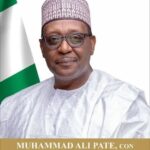

Edo State Deputy Governor Impeached Following Misconduct Allegations
 Abraham AdaranijoApril 8, 20241 Mins read
The Edo State House of Assembly has impeached the embattled state deputy governor, Philip Shaibu.
This decision came after the adoption of the report submitted by a seven-man investigative panel set up by the state Chief Judge to probe allegations of misconduct against Shaibu.
Led by Justice S.A. Omonua (retd.), the panel concluded its sitting on Friday after Shaibu failed to appear before it to defend himself against allegations of perjury and leaking government secrets.
Shaibu was given multiple opportunities to present his defense, with the panel adjourning till Thursday and later Friday for him to do so. However, his absence led to the conclusion of the investigation.
The state assembly, acting as the petitioner, had presented its case against Shaibu, paving the way for him to respond to the allegations. Despite his counsel, Oladoyin Awoyale, attending the initial sitting, proceedings were interrupted when the panel refused to suspend the hearing pending the outcome of a suit filed in Abuja by Shaibu challenging the impeachment.
Subsequently, the Assembly’s Deputy Clerk, Joe Ohiafi, presented the case against Shaibu after Awoyale excused himself from the proceedings.
The backdrop of the impeachment is rooted in the strained relationship between Shaibu and the state governor, Godwin Obaseki, particularly regarding support for Shaibu’s governorship ambition.
In an attempt to halt the impeachment proceedings, Shaibu served Obaseki and the House of Assembly an originating summons, which was eventually delivered to the governor via courier, and pasted at the entrance of the state House of Assembly by a bailiff.
However, the Federal High Court in Abuja declined to intervene in the impeachment proceedings initiated by the Edo State House of Assembly against Shaibu.
The developments surrounding Shaibu’s impeachment signal a significant political shift in Edo State and are expected to have far-reaching implications.
Author





Related Articles

INEC Opens Online Registration for 2027 General Election Ad-Hoc Staff | ClipTV Online
The Independent National Electoral Commission (INEC) has commenced the online engagement of...

Osun 2026: Adeleke Defeats Oyebamiji, Secures Second Term Governor | ClipTV Online
Governor Ademola Adeleke has secured a fresh four-year mandate as the Governor...
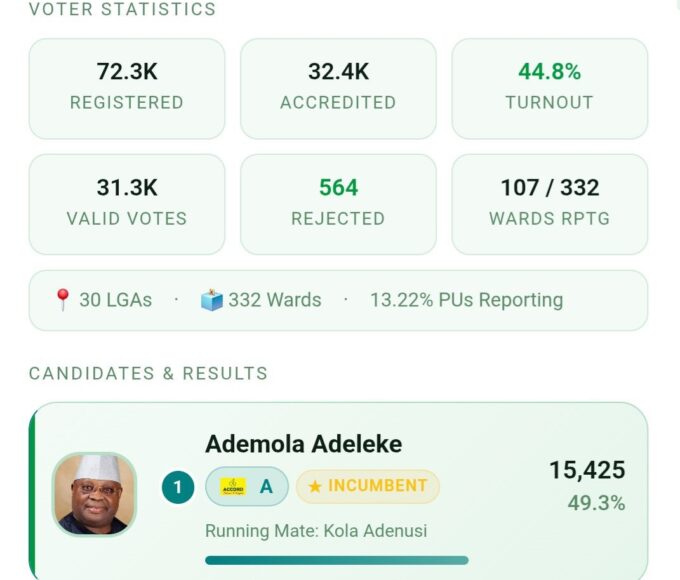
OSUN 2026: Vote-Buying, Journalists Intimidation Raise Concerns | ClipTV Online
In recent times, the Civic Space Shrinking has been taking the center...
Emilagba Unveils One-Year Scorecard, Highlights Roads, Education Empowerment | ClipTV Online
Mayor Jubril Kolawole Emilagba, the Executive Chairman of Lagos Mainland Local Government,...
Leave a comment