



Politics Today: “Let Me Be Declared Winner, the Rest We’ll Settle in Court” — Experts Call for Electoral Reforms | ClipTV Online
 Abraham AdaranijoJuly 17, 20262 Mins read
Celebrating Professor Wole Soyinka’s 92nd birthday, the Wole Soyinka Center for Investigative Journalism (WSCIJ) has held its annual lecture. The 2026 lecture marked the second decade of courage, consistency, persistence, and tenacity in Journalism.
Themed Beyond the Ballot: Measuring Democracy Through Security, Welfare, Accountability, and Public Trust, the lecture highlights how politics and journalism can be reformed to shape a better Nigeria. Held at the Providence Hotel, Ikeja, on Monday, the 18th annual lecture underscored the importance of the ballot in producing candidates who emerge from the electorate’s consent. The ballot system would gain public trust when it produces the people’s legitimate candidates.
While speaking with Michel Deelen, Consul General of the Kingdom of the Netherlands in Lagos, he hailed the Wole Soyinka Center for Investigative Journalism. He then notes that institutions such as WSCIJ help to enhance the growth the country is witnessing today. Deelen further states that WSCIJ and other institutions hold the government accountable for security, education, and other developmental projects. The Consul stated that, though there is a need for improvement, Nigeria has improved immensely compared to a time when there were military roadblocks almost everywhere in the country.
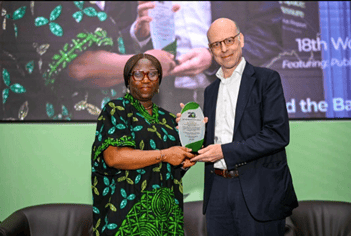
He noted that the insecurity element in Nigeria is partly a reflection of poverty across the country. “Insecurity is linked to poverty in some cases”, he said. Deelen stated that when people can earn an honest income that helps take care of their families, they tend to be content, adding that the rate of kidnapping and other related vices will decrease, which will definitely increase the security of citizens and property.
Speaking on democracy, Deelen further emphasized that elections belong to the people, not to political candidates. Adding that the people have the voice to determine who their next leaders should be. “Do not waste your votes,” he counseled. In conclusion, the Consul General noted that overhauling the Nigerian system requires quality education.

Still on democracy and politics, the professor of media history and academic, and Vice Chancellor of Federal University of Kashere, Gombe State, Prof. Umaru Pate, identifies some of the challenges that the electorate encounters. Pate noted that security, public trust, and accountability are major ingredients in politics, without which there would be no free and fair elections.
He further stated that when these three elements are in place, the dividend of election can be achieved. “Today, people want to get into power by any means,” he said. Adding that these three elements are ignored, thereby adopting the principle “let me be declared a winner, the rest will be settled in court.” Pate explained that this is one of the challenges faced in politics today: democracy is ruptured and in disarray in the country.
The former Dean of the Bayero School of Postgraduate Studies also said citizens should be prepared to discipline themselves to avoid political shenanigans. In these political challenges, no one will make a dramatic change for the people. Still, the electorate needs to take the bull by the horns. Be disciplined and insist on accountability from the people who are being voted into power.
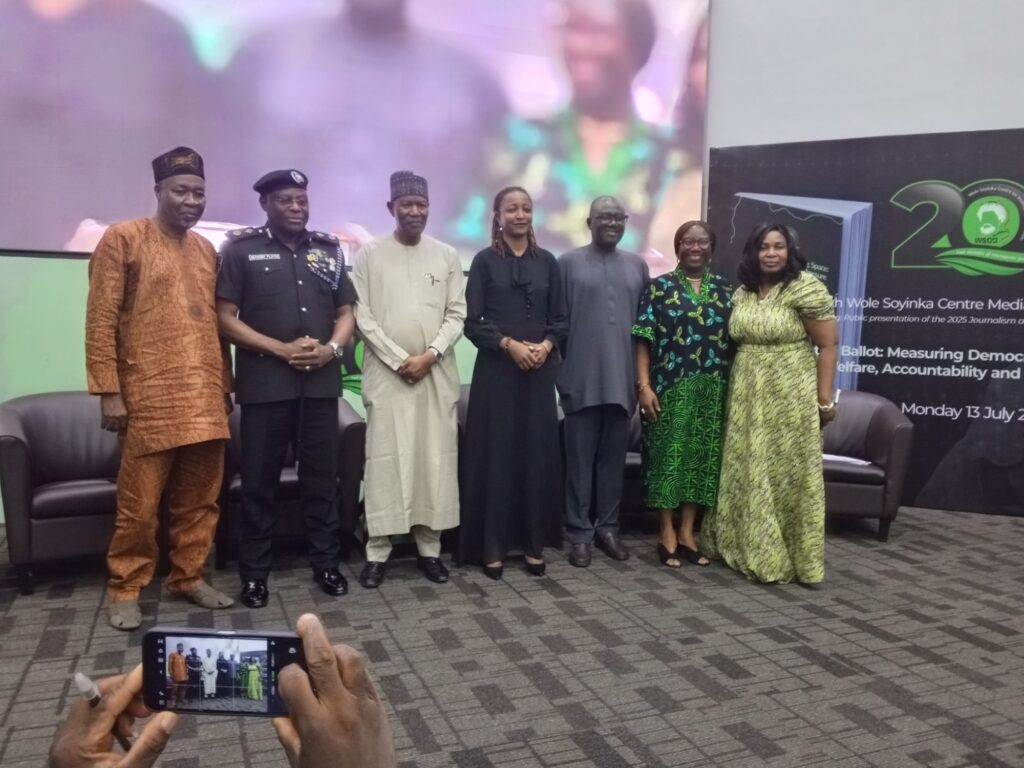
He added that the government closest to the people is the local government, and that people should start demanding accountability at this level. He concluded that it has been 66 years, and Nigeria deserves better than the current state it is in. Highlight that both citizens and those in power should start discussing a better reform.
The 18th Wole Soyinka Center Media Lecture has indeed been an eye-opener for the electorate, media practitioners, and government officials. It highlights the way ahead for political officers, citizens, and others to make Nigeria a better place.
In all these, we can also consider what specific reforms could be proposed to improve the electoral process in Nigeria. How do the challenges faced by the electorate impact voter turnout and engagement? What role can international organizations play in supporting Nigeria’s democratic development?
Author




Related Articles

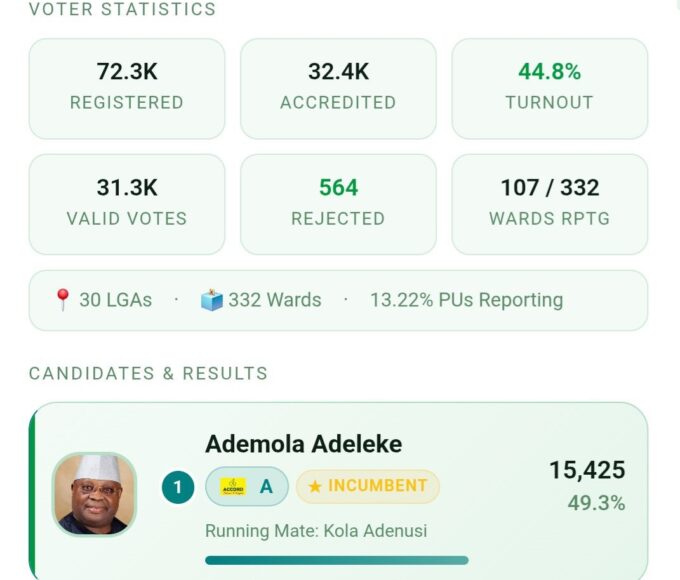
Osun 2026: Adeleke Defeats Oyebamiji, Secures Second Term Governor | ClipTV Online
Governor Ademola Adeleke has secured a fresh four-year mandate as the Governor...
OSUN 2026: Vote-Buying, Journalists Intimidation Raise Concerns | ClipTV Online
In recent times, the Civic Space Shrinking has been taking the center...
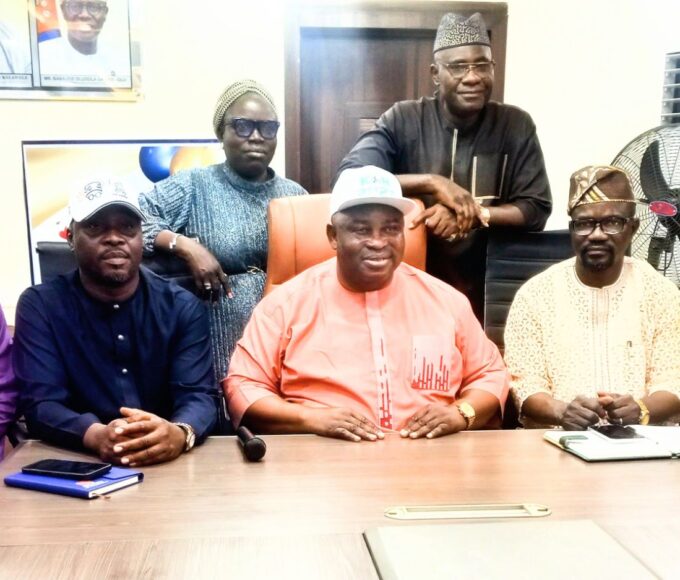
Emilagba Unveils One-Year Scorecard, Highlights Roads, Education Empowerment | ClipTV Online
Mayor Jubril Kolawole Emilagba, the Executive Chairman of Lagos Mainland Local Government,...
Funsho Williams Remains a Symbol of Peaceful Politics, Says SEADORF | ClipTV Online
Celebrating, Late Engr. Anthony Olufunsho Williams (Funsho Williams), who died on July...
Leave a comment