




Political Unrest in Gabon: President Ali Bongo Overthrown by Military Shortly After Re-Election | Cliptv Online
 Abraham AdaranijoAugust 30, 20231 Mins read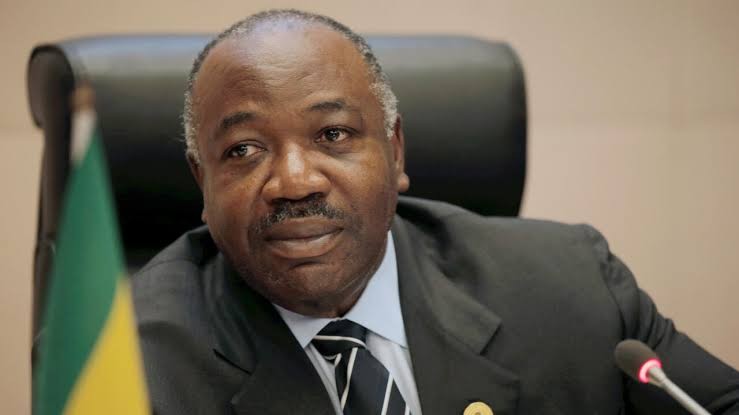
A shocking turn of events has unfolded in Gabon as the recently re-elected President Ali Bongo has been ousted by the Gabonese military mere minutes after his victory was announced. The sudden overthrow adds to the growing list of political upheavals across Africa, with citizens expressing their frustration over what they see as corrupt and self-serving leadership.
The Bongo family has a long history of political influence in Gabon, with Ali Bongo succeeding his father, Omar Bongo, who ruled the nation for an astonishing 42 years. The recent re-election of Ali Bongo was met with mixed reactions, as the nation’s citizens grapple with concerns of political continuity and governance.
The military’s swift action in ousting President Ali Bongo has sent shockwaves through the international community. Political analysts are carefully observing this development and its potential implications not only for Gabon but also for the broader context of political stability in Africa.
Observers note that such incidents of political upheaval are becoming increasingly common across the continent. Many citizens are expressing their dissatisfaction with leadership that they perceive as corrupt and self-serving. The Gabonese military’s intervention highlights the deep-seated frustration with political systems that fail to address the needs and aspirations of their people.
Africa, with its diverse nations and cultures, is undergoing a period of significant political change. While democracy has taken root in many countries, challenges such as corruption, economic inequality, and limited access to basic services remain persistent concerns. As citizens demand accountability and effective governance, these incidents of political turmoil underscore the need for transparent, responsive, and people-centric leadership.
The situation in Gabon continues to evolve rapidly. It remains to be seen how the international community will respond and whether this event will serve as a catalyst for broader discussions on the state of governance across the African continent.
As citizens of various nations across Africa demand more from their leaders, the political landscape is undoubtedly shifting. The outcome of such shifts will have lasting consequences, not only for individual countries but for the collective future of Africa as a whole.
Author




Related Articles

Osun 2026: Adeleke Defeats Oyebamiji, Secures Second Term Governor | ClipTV Online
Governor Ademola Adeleke has secured a fresh four-year mandate as the Governor...
OSUN 2026: Vote-Buying, Journalists Intimidation Raise Concerns | ClipTV Online
In recent times, the Civic Space Shrinking has been taking the center...
Emilagba Unveils One-Year Scorecard, Highlights Roads, Education Empowerment | ClipTV Online
Mayor Jubril Kolawole Emilagba, the Executive Chairman of Lagos Mainland Local Government,...
Funsho Williams Remains a Symbol of Peaceful Politics, Says SEADORF | ClipTV Online
Celebrating, Late Engr. Anthony Olufunsho Williams (Funsho Williams), who died on July...
Leave a comment