


Niger’s Junta Names Ali Mahaman Lamine Zeine as Prime Minister, Rejects International Delegations Amid Sanctions | Cliptv Online
 Abraham AdaranijoAugust 9, 20231 Mins read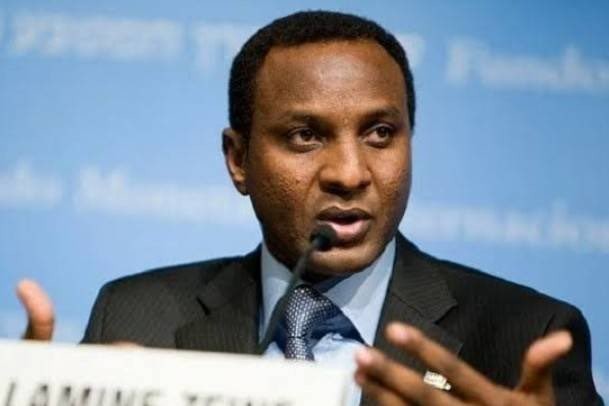
The military junta in Niger has appointed Ali Mahaman Lamine Zeine, a former economy minister, as the country’s new Prime Minister. This move comes amidst heightened tensions and international sanctions following the recent coup in the nation.
Ali Mahaman Lamine Zeine’s appointment as Prime Minister signals a potential shift in the junta’s approach toward governance. Having previously served as the economy minister, Zeine brings experience in economic matters, which could be crucial for stabilizing the country in the face of diplomatic and economic challenges.
In a bold move, the junta has rejected delegations from regional and international organizations, including the Economic Community of West African States (ECOWAS), the African Union (AU), and the United Nations (UN). The junta’s refusal to engage with these organizations underscores their determination to chart their own course without external interference, despite the sanctions imposed on Niger.
The decision to reject international delegations until all sanctions are lifted highlights the junta’s intention to assert its authority and sovereignty in the face of external pressure. This move could have far-reaching consequences for Niger’s diplomatic relationships and its standing in the international community.
As the situation in Niger continues to evolve, the international community will closely monitor the junta’s actions and decisions, as well as their impact on the country’s political stability, governance, and relationship with global partners.
Author




Related Articles

Osun 2026: Adeleke Defeats Oyebamiji, Secures Second Term Governor | ClipTV Online
Governor Ademola Adeleke has secured a fresh four-year mandate as the Governor...
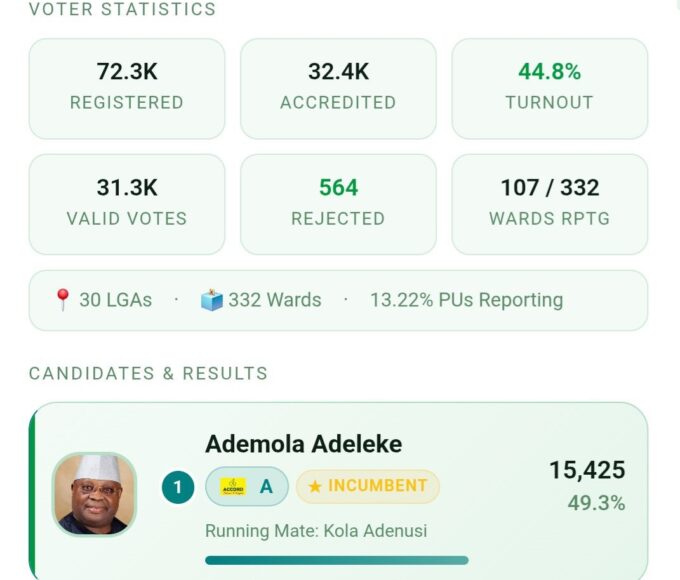
OSUN 2026: Vote-Buying, Journalists Intimidation Raise Concerns | ClipTV Online
In recent times, the Civic Space Shrinking has been taking the center...
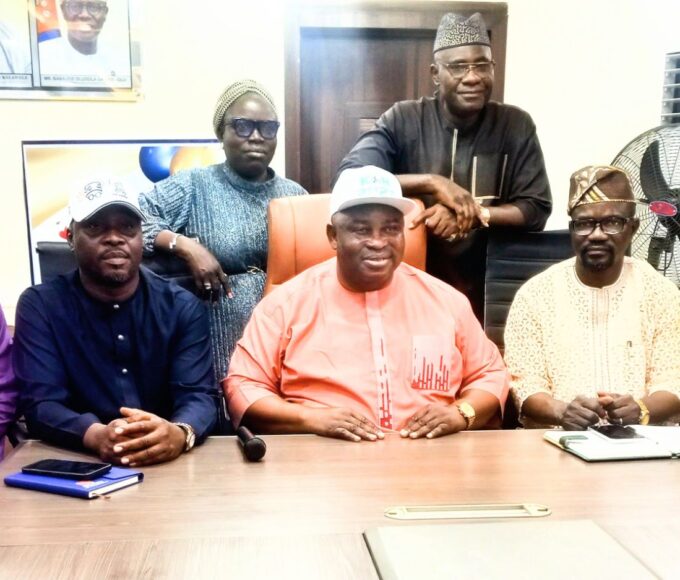
Emilagba Unveils One-Year Scorecard, Highlights Roads, Education Empowerment | ClipTV Online
Mayor Jubril Kolawole Emilagba, the Executive Chairman of Lagos Mainland Local Government,...

Funsho Williams Remains a Symbol of Peaceful Politics, Says SEADORF | ClipTV Online
Celebrating, Late Engr. Anthony Olufunsho Williams (Funsho Williams), who died on July...
Leave a comment